56:14 Webinar
Ask Us Everything About Containers & Kubernetes
This month we're diving into containers and Kubernetes–key technologies for IT priorities like Cloud-native applications, AI data pipelines, and modern VMs.
This webinar first aired on October 2, 2026
The first 5 minute(s) of our recorded Webinars are open; however, if you are enjoying them, we’ll ask for a little information to finish watching.

Click to View Transcript
Hey, everyone, and welcome to yet another Ask Us Everything session, this time focusing on all things containers and Kubernetes, especially as it relates to data storage. And with us today we have, two fantastic subject matter experts, or SMEs as we like to call them, from, from Everpure. We have John Owings and Nathan Wood.
John and Nathan, say hi to the crowd. Hello, crowd. Or wave. Hey, everybody. Great to be here. You're gonna see for the next hour that it is hard to contain these two, and yet their first cue, they're like Ah, we love it. You know, this is the beauty of live webinars,
for sure. So again, Ask Us Everything is our series of interactive webinars where it's all driven, all the content is driven by you, the audience. We are, asking and imploring you, and certainly encouraging you to use the Q&A feature to send questions that John and Nathan can answer for you. And, you know, basically what, what we like to do is kick things off and just kind of
set the scene. I think we even have a, a poll that we're gonna bring up at some point just to judge where everyone is on their Kubernetes and containers journey. But, you know, let's start with John. What are, what are some of your What are some of the things that you think are really
key, to know about data storage in Kubernetes? Or just even, you know, moving to modern apps in general, what are some of the things that people need to, to think about and keep in mind? Well, I The best way to, best way to approach it is everyone's making a decision about what orchestrator to use, just kind of like how you, you chose OpenShift or SUSE or Spectral Cloud.
There's lots of choices. That's, that same level of scrutiny should be done when it comes to storage, that you're, that you're running, 'cause managing the data is different in containers. Just flat out, like whether it's in the cloud, on-premises, local storage, with a FlashArray, there's lots of choices.
And so it is super important to kind of take that same level of thought around that and don't just be like, "Oh, well, we- we'll just do, you know, a thing It says it pr- provisions LUNs, we'll just do that," right? There's a lot of things to consider, so, there's, there's a huge, huge amount. It's, it's not like it's super hard to do, it's just make sure you go through all the
steps and be like, make sure you make a s- decision that's really best for what your end goal is versus kind of what your storage vendor told you to do. Yeah. So, so I, I'm gonna jump in, Kevin, if that's okay, 'cause I totally agree with what Jay has said. Yeah, absolutely. Right? It's like, it's like you're gonna go
build a house, and the, the, the contractor says, "Well, do you want a basement? Do you want a crawl space? Do you want a, a slab?" And you go, "Ah, you know, six of one, half dozen of the other. Do whatever you think." Like, storage is that foundational element, of what we do. And so, you know, that's always something you wanna consider.
And most people that are, you know, on a Kubernetes journey don't really think about that, right? 'Cause the D in Kubernetes stands for data storage. I'll let that sink in for a minute. Pause for applause.
Yeah. There, there is no D, right? I literally went through trying to find the D. There is no D, right? And so, it's one of the last things that people think of when they're looking at Kubernetes, and that's why, you know, that's why we're such staunch advocates for being
able to have that conversation. And so that, that's, that's what we're here for today, is to answer those questions and really kind of dig into what customers are asking around, "Hey, what, what should I be looking at? What are the importance?" And then, you know, it, it If you're not using Pure, that's fine.
We'd love you to, right? But we really want you to understand why data storage and data management is so important to what you're doing. Awesome. Well, one really big area for, Kubernetes and containers these days is the shift away from, let's say more traditional VMware, given some of the things that have
been happening in that space. We don't need to go into all the details, but we want to be- Something's happened in that space, Kevin? What? What? I didn't know. I've been hearing something, I don't know, for a, a couple of days at least.
Um- Oh. But slash years. But, you know, the, the, the idea of m- using Kubert OpenShift virtualization to run VMs next to containers, and I, I think there's also like a, an AI component, that that same type of approach could work for AI. Again, that's another thing that I, I've been, personally been hearing about a little bit
over the last couple of days. You know, what things do people need to keep in mind when it comes to storage? Are there special requirements? John, you kind of touched on it, kind of use those use cases to help flesh that out. What are some of those things?
You know, is there one platform that can handle both, or do you need special tools or, special data management or whatever? Yeah. Well, I mean, all of them have, all those use cases have a nuance to how you manage your data, right? But we are at a crossroads for all of them, with Kubernetes.
So when you look at it, it's, it's becoming the de facto standard for how you manage VMs that are kind of moving out of the traditional virtualization vendor. You're also running your containers, like it was meant to be, right? Like, that's what it was built for at first. But then also all of the AI out there, you know, is running in Like, all the big farms,
even inference, like a lot of things, they're, it's all running in containers, and it's being managed by Kubernetes. There, there was some- Battle, you know, five, six years ago about what was, you know, the right orchestrator and it's, you know, it, it has settled on Kubernetes now. And so we see that across all those, all those three, you know, main use cases, and you can
break down, there's lots of different parts you can do within, within each one of those. Right. But having a platform that can allow you to get started and still s- you know, so you Hey, we're g- we wanna move VMs first. We're not really into containers. We, with, with Everpure and Portworx, right, we were able to now, hey, give you a platform
to move the VMs. Cool. Those are, those are working. I'm learning Kubernetes and okay, the next use case is k- we need to start converting some of these VMs into containers. All right, it's the same, it's the same data management platform.
Now, you can just consume it in a little bit different way, like the sizes and how you do DR. Like, there's gonna be a little nuance to how you change that. And then finally like, hey, oh, well, now the AI team wants to build on-premises instead of in the cloud. And so, hey, y- you know, oh, it's the same
platform, so I don't have to relearn everything. The Kubernetes stays the same. Right. The data management stays the same and kinda gives everyone that path towards more than just, hey, where do I, where do I storage vMotion my VM so I can, you know, not have to pay Broadcom anymore, right?
Like, that's a, that's a s- that's a s- very specific thing that is gonna, you know, s- 10 years from now we might hopefully not even remember anymore. Right. Yeah. Good point. Nate, Finn, any, any thoughts that, that you wanna add on that? Yeah. First, I gotta give a shout-out to my boy
Dustin up in Michigan. Go UP, right? Upper Peninsula. Dustin, thanks for checking in today. So, I, I, I agree. So one of the things that I always talk to customers about, I do a lot of speaking events
and different things like that, and, I have a lot of customers that are, that are kinda starting on their journey and they're, they're looking at, you know, a hypervisor swap. They're looking at some of these other things. They're trying to figure out how to utilize the cloud effectively. And, you know, where I talk about Kubernetes is how it bridges all of those things together
and creates a singular unified platform- that then you can go 'Cause I, I don't know if anybody else has seen any kind of, you know, ripples in the industry over the last few years, but if anything has taught me, you gotta plan for change, you gotta plan for flexibility, and that's one of the things that Kubernetes does in spades is it provides a lot of that, right? So you have the capability to leverage cloud,
you have the capability to be on-prem, you have the capability to use different storage infrastructures. You have all of this capability that's wrapped around Kubernetes, and one thing it does really good is keeping stuff up, keeping it up and running. Keep giving you the, you know, the, the six nines, five nines, eight nines, whatever kind
of nines you're looking for, Kubernetes can provide that type of, capability and it really adds a lot of value and a lot of safety net, right? It reduces risk for a lot of my, my business folks out there. Risk reduction, hashtag love me. But yeah, so you've got all that capability in order to be able to go do that and cut down on
that risk that we see keep getting introduced into the market space from, you know, supply chain and everything else. Kubernetes helps solve that. So there's, there's a bunch of technical ways that you can solve these problems, and what we found is with a lot of our customers, Kubernetes is what they're choosing because it's, it kind of is the most economical way to go and do it, and it also gives the most
flexibility for where they might wanna go on the front. Awesome. Awesome. Yeah, I, I think that's a great way to look at it. So are there particular mistakes, common mistakes that people might, you know, do because they haven't really thought through or d- don't have the experience yet or what
ex- Absolutely. We, we love to be able to help people to learn from our experience, so especially when deploying stateful apps. Yeah, d- and I, I, you s- you've been going to John the first couple of times for these first questions, and so I'm gonna take that one before you let him answer first again, 'cause
then- Yeah you know, he gets all the highlight reels- Yes. And I'm left carrying his water. So- I have one queued up for him, so we're doing a great back and forth, so I appreciate you doing that. Okay, I just wanna make sure. I gotta get, I gotta g- I gotta get my time, Kevin.
I gotta get my time. So yeah, I think that there, there are mistakes. It's, it's, it's underestimating, the amount of cultural change associated with moving to a framework, right? And so, I was talking to a, a hos- large hospital system, and their, you know, their,
their CTO sat down with me and we were, we were eating lunch. And he says, he goes, "I..." It, it was at EDC. And he said, "Hey, I love this stuff and I'm, you know, I, I, I wanna get into the Kubernetes space. I wanna do these things. We have to move in this direction.
We've got a lot of AI initiatives that we're running." And he said, "The biggest thing that I'm concerned about is all of my guys have started here out of college, and they only know VMware. They only know how to be a VM admin." And so it was a, there's a lot of cultural shift when you move to a Kubernetes framework, and you have to incorporate that into it.
You have to really think about those things and really bring that into kind of your, your planning for how you move forward, and I think too many people underesti- This guy was really smart. He knew his team, and, and there's a lot of people that underestimate that, that, that cultural shift. Now, along with culture, right, the same thing that comes along with that
is training and enablement. And so you wanna make sure that you're getting your folks focused- Right on the professional development. Give them the stick time that they need in order to be able to acclimate to a new architecture. Make sure that they feel comfortable, right?
Because a lot of these guys, they're gonna be out of their comfort zone. And gals, by the way, everybody. They're gonna be out of their comfort zone when they move into a new platform, and so really focusing on that and making sure they have a solid understanding of what's there. It's gonna make the adoption a lot easier.
It's gonna provide value as far as, you know, professional growth for your people, and it's gonna provide a bigger safety net as you move forward. Awesome. Thank you. That, that, that sounds like a direction even I could follow. Well, I, I tell you what, let's put up our poll, now that we've kind of set the, the, the
groundwork, let's find out from all of you in our audience, where are you in your Kubernetes journey? So we'll give you a couple of minutes to, to answer that and, we'll just keep plugging on. So, Steve out in the audience had a great question. What is the easiest way to migrate an existing production database from on-prem into
Kubernetes cluster without downtime? So I'm assuming, yeah, more, more the cloud-based stuff. So, I'll throw it to John. Let's try it that way. I don't, I don't know. I mean, Nathan might have a better way than me,
but, so there's some third-party tools out there that some of our migration teams are using that do like the hot cut over. There are some, you know, built-in open source tools that doesn't really They do like a cold, so you'd have to have a downtime, right? The, the big thing is if you, if that VM can never go down, there's a, there's a third
party tool that, a company out there, you know, we're not doing advertisements for, but it's great and it does good migrations and it's not free. We'll put we'll put it out there for everybody is, but it, it, it's built specifically for that. And, and yeah, so I think we I mean, they're a partner of ours, so Cirrus is, out there.
We use it for You could use it for migrations from old storage arrays to Pure. You can use it for migrating VMs to Kubernetes. Like it's got all kinds of cool things it can do and, you know, hopefully they give me a kickback on the, plug there, so. Brought to you by Carls Jr. Yeah. Yeah.
I No, I agree. I, I, I think the, I think the same thing. I, I love Cirrus Data and I think the, the, the, the, the tool is fantastic. And we, Jay and I have used that in a lot of our, our customer engagements and we've seen, it, it, we've seen a lot of appreciation on the customer side for how easy it is to use. But I also think there are in, in application ways to do the same thing.
So if you're looking at like Microsoft SQL Server or something else like that, you have, log shipping capabilities, you have, replication. So it really depends on the database. You can do it at the application level layer. You can do it at the, you know, a, a, a Cirrus layer, like leveraging that in order to be
able to do as an agent that moves the data back and forth. You, you can also, depending on the storage that you're leveraging, there are ways to do it at the storage layer as well. So you have multiple ways to kind of, skin the cat. The, the, the big thing is the data, right?
Always focusing on the data. That's the most important. Nate, I, I don't, I don't know if the, the, the database question was, who that came from, but it's a really good one because if you're running DBs or you're a DBA, my favorite people, if you're running DBs, that, that is the, the lifeblood of the company typically.
And so protecting that, making sure it's up, especially for, you know, being able to support a multi-tier application environment, the database is the foundation. And so one of the great things that you can do is there's a lot of You, you probably, anybody that's out there that's on this is probably working with a partner, right? They have a, a value-added reseller.
They have a GSI. They have somebody like that they're working with, and it, these guys really understand this architecture. We work with a lot of really good partners, and so that's one of the things that you wanna make sure that you do is when you have questions like this, work with your partner too, and they have They're gonna know things about Cirrus.
They're gonna know things about these other tools and they're gonna be able to assist you. So, you know, build a good team. That's, that's one of the other piece of advice that I give on this, this Kubernetes concept is build a strong team, right? You This, this is not a, this is not a one-size-fits-all type of thing where you just
go in and that's what you have. There's a lot of tuning that goes along with it, and data migration and cut over and all that kind of stuff is a part of that. So make sure you build a good team, right? Have the right people on your side in order to be able to give you good advice, and help work
with you in order to be able to lead through that change. Awesome. Fan- fantastic. And let's see, there were, there was a question from Dustin actually in chat, about DR in particular 'cause John had mentioned it. So it was about how FBDA and FADA, recover at a different site with
different arrays. So, so for everyone out there that may or may not know, like so FlashBlade direct access and then FlashArray direct access, these are basically volumes that connect directly to the array and they, they utilize kind of the underlying architecture of a FlashArray or a FlashBlade.
So if the FlashBlade's able to replicate that file system to another array or Flash, for FlashArray that block LUN or volume over to another array, it is a manual process. So basically you build the workflow of 'Cause Kubernetes doesn't know that you move that volume 'cause there's, it's the way that that direct access works is like, hey, it creates a volume, it's there. And so the way that you do this is kind of
part of the reason why back in 2019 I thought Portworx was so cool was that, hey, you have to build kind of some workflows, whether that's like Terraform or Python scripting or something like that, and I did that. Like I did it at a demo at VMworld, back in, yeah, 2018, 2019. And doing it for one VM was, you know, cumbersome, but it worked.
And so it was, it was great. Like, hey, now imagine doing that for a thousand VMs, right? And so you can build that and be able to like take those volumes, expose them backup to another cluster and map them to the, the app. Totally able to do that.
And for some people that's maybe the right choice. Now, you know, for others, they'd rather have that all be built in and then just synced into Kubernetes, so that's why, that's why Portworx exists, right? Is, and that's why Pure1 of the reasons why Pure acquired them in 2020 was it, was to take that Put it into the hands of the Kubernetes administrator so then it could be orchestrated
right from there. So that is a, that's a key thing. A- a- and, But yeah, it's possible, it's just a little more manual work. And so then when you get to a scale where you're like, "Hey, this is too much," then we, we say, "Hey, you know, Portworx Enterprise is made for that." Got it. All right. Let's see.
Rob ha- asks, "Do you have any suggested metrics that would be good for re- reporting to clients, not just uptime but a bit deeper?" So Ooh, that's a good Can I- Or- Can I, can I add into that? I mean- Absolutely I, I know JO's gonna have a response for that, 'cause he does, he does He has r- his home lab, he runs, like, every metric you can think of.
But one of the big ones for me, again, my, my, my database people, one of the big ones for me, is latency, right? And understanding latency, because that impacts, so many things, and it's the underlying, you know, the underlying issue that a lot of people see. So uptime is great, but, in Kubernetes, you're, you're probably not gonna have an, a, an issue with uptime.
What you may have is an issue with latency, and so that's where you really wanna look into things and make sure that again, we're, you know, we're, we're a data management company, and so a lot of what we talk about is, is data management oriented. And really understanding what that looks like is, is key, because that's gonna provide the foundation for a lot of decisions that you make moving forward.
Hey, do I wanna use that, you know, you know, FA, the, the, the direct connection, right? The FADA connection. Do I wanna use something else? Is my i- is my CSI provider, that I'm You know, my back end storage, am I getting the performance that I need?
If I'm using older equipment, am I gonna get the, the same response in order to be able to build that out? The other piece that it's really important in is the cloud, right? So if I wanna leverage a hybrid methodology and I'm using some on-prem and some in the cloud, what is my latency difference between those two? 'Cause then that changes the size and the type
of the disk that you would use in, you know, an Azure or AWS or a GCP deployment. And so then you'd wanna tune that in order to be able to make sure that everything works the same way. Especially, you know, one of the thing, one of the cool things with Kubernetes is you can move workloads from on-prem to the cloud. You can move things back and forth.
And so as you move it to the cloud, what the last thing you want is, you know, somebody runs batch process on a SQL DB, database at the end of the month, and you've got that sitting in a cloud environment where the disk isn't necessarily tuned for it or the, the, the architecture's not tuned, and your latency spikes and everybody's like, "Why does it take so long to run my report?" Right?
So then y- that all of those things are really important and, and latency is one of those ones that you always wanna understand, to be able to get that. Now, there's some other ones higher up in the stack that I wanna know as well, right? I wanna get response time, from my different applications that I have in the stack. I also wanna look at, th- very specific, 'cause just 'cause you put something in
Kubernetes, this is, this is a PSA. Just 'cause you put something in Kubernetes doesn't mean we don't have to worry about security. We have to worry more about security. So there's a security element of that as well, and we always wanna make sure that we have a
good understanding of who has access to our data and where they can access it from. And because now that you're shifting things around and you've got a larger view and you've got all these different things, security becomes really important as well. And so understanding rights and access, is, is really key. So those, those are the I- if you get those fundamentals right, right?
And we're already talking about uptime, so we've got that piece down. If you get those fundamentals right, y- you're, you're gonna, you're gonna have a decent deployment. And like I said, JO's gonna have 15 bajillion other things that you can look at, and he'll get into those details, but I'm just saying, those are Nathan's foundational ones.
I have, I have just one I'm gonna mention on this, but- Oh my God, just one? I was gonna say, I'm gonna- Just one? Hold you to 1,000. The, the only, the only metric I'm watching these days is Nathan Woods' token usage per month. Oh, Claude does it all, baby.
Claude does it all. Yeah. Right. My buddy Claude. Yeah. Well, hey, we, excuse me. We went ahead and, closed out the poll, so let's, let's share those answers up there. About kinda what I was expecting.
You know, they're about a little less than half, still kinda feeling their way around this stuff. Small, you know, that's the, the majority. Medium and large, really just the, the overachievers there. Any, any, any thoughts on that? Does that feel like where most orgs are these days, John and N- and, and Nathan?
Yeah. I, I, I'm actually surprised that large, you know, 20%. So when we- Yeah when we, Again, at, at, at events that we talk to people at, whether it's, obviously at KubeCon, there's quite a few people, that are running it. But when we talk at some of the other events like at Ignite or industry events, things like
that, we tend to see that, you know, be, be lower. So we have a, a very cultured audience, on today- Yes which is fantastic. And it's great to see, you know, the, the 40%. Again, shout out to the 40% at the none. The fact that you're on this, you know, webinar and you're asking- Right us anything,
that's awesome, right? Because education, you heard me say at the beginning, cultural shift in education, this is part of that, right? You're coming on, you're asking the questions up front, you're getting a good foundation, a good base in order to be able to move from. And so shout out to you guys for being here.
It's awesome. Yeah. And, and congrats for being able to get your heads out of the punch list, you know, to actually you know, con- consider things that might make your job and, and the, the entire infrastructure stack, you know, more modern and easier going forward. That's, that's music to our ears at Everpure, because that's the reason we were founded was
to make storage simpler, and we just keep extending that out to all these other use cases too, so John, any, any other thoughts you wanna share- Well, yeah. I mean- before we move on to the next question? I mean, it wasn't, it wasn't a hu- it's not a huge surprise. I think like- Yeah when, you know, our So Nathan and I's- View day to day is probably skewed 'cause we're, that's all we talk to is
people that wanna deploy Right deploy it in production. But, you know, overall, my experience at, at places where maybe we haven't gathered all the leaders in Kubernetes together, that, that seems about right, you know, is that 40% kind of still evaluating and seeing what they're gonna do about it. And some people have been rushed into it via, via some of the industry changes. Right.
But at the same time, I, I, you know, not, not hugely surprised that that's the, the spread in the statistics there. Well, and I, I think that leads right into Timothy's question. His, he says, you know, coming from a primary VMware background knowledge base, just what you were talking about there, John, and production with a c- company, recently started
kicking the tires with Kubernetes and clustering. How would you recommend an engineer advise their company's leadership, to even take a look at this to be able to, you know, possible solution in our use case? In other words, you know, it's not just the education of the folks who come to our AEWs and that are, you know, very, mindful of the tech details, but it's like, how, how do you
communicate that up the, up the leadership change, up the leadership chain, I should say, to help enable change within an organization? I think one thing I'm just gonna jump in, and I'm not even gonna comment- Yeah about Nathan. I'm not even gonna give him a chance. But the- the big, the big thing is, is that when you're communicating up the chain around
it, it's, it's, it is around mitigating risk. So we got stuck. I was a, I was on, a VMware SME 10 years ago, a- even before that, but, the vExpert and all those things. And yeah, y- y- you don't wanna get stuck where one vendor holds all of
your infrastructure. And so it's not so much like, "Hey, Kubernetes is cool. Look at these nice things. I can hit, I can type, you know, kubectl scale, and now I have 100 web servers." That's I think that stuff's cool. Nathan doesn't, but I think that stuff's cool.
But, like, up the chain into, you know, into your management is, "Hey, let's never get caught with one person owning everything." And so the good thing about Kubernetes is, one, is that there's several distros, there's several vendors out there that are gonna support you on it. And, you know, with Pure, or Everpure, I mean, don't get me in trouble, Kevin.
I said Everpure. I give you guys a ton of slack 'cause y'all, y'all have been here a minute- I, if you don't- you know, like me. But I'm in marketing, so I have to make sure that that verbiage is there. I've been here for 13 years, so I've said the- Yeah. I've said the other name for a very, very long time.
The, but- Jay O.'s was one of the I, just a little fun fact for everyone to know, that Jay O.'s was one of the names that kept popping up in my Slack all the time. Not to me, but about Jay O., from everyone around me. Like, "This is the guy who knows the stuff." And I, I think we met maybe a few years ago fleetingly.
This is one of the first times we've ever worked together, and I've been here 10 years. So Yeah. Not trying to make it seem like the OG, you know, Puriton show. It's just, it's just funny how the, the circles You know, he's, he's been off in Kubernetes land for a minute, and- Yeah and I haven't, so.
And, and, and yeah. So I think the main thing is, you know, to an- to finish answering the question is yes. Yeah. Yes. You know, present it as a way to r- to mitigate risk and to give you Then that opens up other channels that, that your bosses will wanna know about. Like, hey, then we can be
hi- we can do hybrid cloud. We can do multicloud. We can have apps run in all, you know, all kinds of, like, ways that you open up doors, and I think that is what you're gonna catch the eye of leadership with. Nathan, w- I think, like, Nathan's gonna say something about cool CLI commands.
Yeah. What I just wanted, I want it to be noted, that I'm, I'm, I'm the baby on this call 'cause I've only been here nine years, um- going on 10. And so that is a, a, I just wanted to call that out, and that's n- that's number one. And number two, I also wanna call out to Kevin, you know, as he was talking about, you know,
who, who, who was the key guy to have on this call. It was Jay O. Nothing about Nathan Wood, by the way. Nothing, not Hey, j- just because Nathan Wood speaks at every major event on behalf of the company, let's not talk about that guy. But Jay O., let's, let's bring him on the call.
Thanks, Kevin. I really appreciate it. To be clear- I'm gonna remember that for the next time I wasn't talking- Yeah about this particular topic. Mm-hmm. Mm-hmm. It was- No, you Just keep digging. I can't even remember- Keep digging, Kevin what the context was-
Keep digging 10 years ago. It's okay, dude. It's okay, dude. I, now your picture, I'm gonna put your picture at the end of every presentation I do, and I'll be like, "Don't talk to this guy." Um- Kevin, you just need to know Nathan's very sensitive, and so- I am. I- I'm a sensitive, I'm a sensitive- I'm taking that, uh- I'm a soft flower in the
world of Kubernetes. And I'm just trying to bloom, Kevin. I'm just trying to bloom. And, and, and such a wallflower, too. I mean- I am. I'm very, very quiet you, you gotta come out of your shell at some point. Yeah.
I don't, I, the, the shell, I'm just, you know, I'm all turtled up. Anyway, so back to what Jay O. Said. I agree 100%, right? Risk is the number one. And then when they start to ask you, 'cause you're gonna drill down on that, right?
'Cause, y- I talk to executives all the time. Executives are like, "Yeah, everybody says their thing reduces risk," right? How do you reduce that risk? And that's where it comes to, like, the, Timothy pointed out, the single vendor thing, right?
We don't wanna have a single vendor. We all, we all got, you know, kind of an education around things that happened there for a de facto virtualization platform- Right that suddenly went Mustang. And so we wanna make sure that we're able to mitigate that issue with everything else. But one of the other big issues, I'm, I'm guessing that everybody here now has some form
of cloud initiative, right? Where they're either a cloud-first organization, I hear that a lot from C-level executives, or they're investigating the cloud as an alternative to on-premises, operations because of the cost scale going up Imagine that you're using Kubernetes and you can basically say, "Hey, Azure, what are you gonna give me?
Hey, Google, what are you gonna give me? Hey, AWS, what are you gonna give me?" If you have the ability to be able to, to mitigate cost by looking at on-premises deployments as well as cloud deployments, and knowing that you can shift your workload to any of those as prices change, maybe you have a Mac burn down that you need to meet. Well, let's shift some of our operations into
AWS or into Azure in order to be able to take care of that. You have the flexibility, and so one of the things for that risk reduction, in addition to cost, is flexibility. I can now move things, that I wasn't able to necessarily move before without having a specific environment.
The other key around flexibility is I can run whatever I want. If you look there, it- let's say, you know, you're a database, you know, aficionado, that's how I'll call myself that, and let's say you like a particular database. If you move into the cloud, you may be tempted to look at the services that are provided by that cloud and say, "Oh, they've got a database service that's there." Guess what?
There are certain databases that those services won't cover. So if you're looking at that as a potential deployment, if you look at Kubernetes, you can run whatever you want. You can have any database in the Google Cloud, not just the ones that they support, right? So it gives you a lot of flexibility.
So risk reduction and risk mitigation comes in a lot of forms, and it's, it's specific to your organization. I always like to talk to people and figure out what's important to them. But that really, though, that, that, that piece has a lot of different supporting pillars that keep that risk reduction, you know, header in place.
So there are a lot, lot of cool things that you can do there with, with C-level executives in justifying, the, the deployment. The other thing is, and, and Kevin, I know you want to move on, just one more thing, I promise. No, no, no, no. Please keep going. The other thing is build a You know, some of
the people that said, "Hey, we've got, you know, five nodes deployed. We've got a cluster here or there," I call those, with my C-level folks, centers of excellence, right? Mm-hmm. They're not, they're not a playground. They're not a sandbox. They are a center of excellence, and what
you're able to do is go and build those out and show what this would look like and do demonstrations for your C-level executives to say, "Oh yeah, this is what we can do, and here's how we can deploy it. And we're using this as a training tool," right? "We're using this as a cultural acquisition tool.
We're using this as a center of excellence to prove out all the tech that we want to deploy into production. We've got this environment where we can show it, make sure it's validated, make sure everything's there." Those are pretty easy to get funded 'cause there's not a lot, it's not a super cost that you have to build into it, and it's a great way to serve as the foundation for all those other things.
So remember that for your C-level executives, center of excellence. Excellent. Ah, that was unintended there. Exactly. Ah, it was great, Kevin. Woo! That was totally not a dad joke. I gotta say that. Okay.
Thank you for that very thorough answer. Let's bring AI back into it. We kind of touched on it a little bit as one of the use cases. AI agents in particular, is there a particular storage automation, or why is that more important, especially as you're looking to manage the AI agent infrastructure, and how
does that, you know, play as far as, Kubernetes and, and containers? Okay, I'm gonna cede this one to J.O. I'll let you guys fight club for it, so. Yeah, yeah. I'm gonna I'm just gonna cede it to J- J.O. Has done more, with AI infrastructure around Kubernetes than I have.
And so I know that this is something he's passionate about. If he, if he unbuttoned that shirt a couple extra buttons, you'd see that it has AI written on it. Like, that's, that's how, that's how into it he is. So I'm gonna, I'm gonna cede this one to J.O., and I'm just gonna jump in to add color.
I'm, I'm protecting myself now. And the, the way that I've used it, right, it may not be the way that the peop- you know, the cool AI person on Twitter or whatever it's called now says or LinkedIn says how to do it, is, you know, I'm not that person running around with my laptop. So I've saw this at a customer.
A, a customer, he runs in. He's got his laptop, like, open, and he's like, "I can't close it 'cause my agent is running." Right? That's kind of antithetical of what you want. That agent to It needs to be able to do its thing, and it shouldn't be reliant on my
laptop, going to sleep and whether it runs or not. So the way that I, the way that I run agents is in co- in containers, right? I put, I build the code. I, I build their instructions, and then they run on a Kubernetes cluster, and they have jobs that tell them to kick off, and there's other things that trigger them to, to do what,
what they need to do. And th- you know, those things running need data. They need cache, all, all those things. So it's not necessarily, hey, I, you know, I need to have, like, training data. I, I, I'm not a data scientist, so I don't do training.
But what we have is like, hey, here's some documents. Here's some instructions. Those all have to be stored somewhere where this container can scale up, scale down, and the, that agent can run and do its thing. I think that is a great use case of, of agents in, in containers or in
Kubernetes 'cause, hey, I don't want to have to keep my laptop open and walk around the office with it open so that my code thing, code check runs constantly. Like, I have all that built into the infrastructure. It runs into Kubernetes, and it checks it all, and it checks it at, you know, certain schedules or whatever, whatever it's gonna be.
I can, I can build that in. And then the, you know, with, with Everpure, hey, now let's get the data to it in the right place, whether that is caches or databases, internal data, like, hey, I need to point it at, you know, buckets of documents, all that fun stuff, you can orchestrate through, through the containers. Does that answer the question, or is that Do I,
did I, totally skirt around it? I think I answered it. I answered it how I use them. No, you, you, you answered it. You answered it, but I'm I got a follow-up, right? I got a follow-up for J.O.
J.O. In your professional experience and on the market today, how much AI is not running with Kubernetes as a foundation? You can give me a percentage. I don't need an exact number, just a percentage. How much AI is not running on a Kubernetes foundation?
Talk- talking about at Yeah, less than 5%, I would guess. I mean, that's my- And why? Why, why do so many people choose Kubernetes for AI? Because it orchestrates, it gets the best usage of the CPU, the GPU, it All those, all those fun things. And then also, hey, it'll gets you close to
the data. The other one is, I don't have-- I can't get access to the GPUs anymore, and I know, I knew that's where he was going. And so I need to go to a cloud or a, you know, GPU provider, like one of the, one of the, I guess they call them neo clouds, right? They're, they started off as Bitcoin miners and they thought, "Oh my gosh, now we can use
this for AI." And so now they f- they sell GPU as a service. And so you're going to that, and it's the best way is like, hey, I give it a manifest, it runs my job. And, and I'm able to consume that infrastructure no matter where it is, especially since I can't buy my own, or if I could, maybe I don't know enough yet to go spend $100 million with NVIDIA to get it.
So, I'm gonna go rent it from someone until I figure out what I actually wanna do and then- Right maybe go buy it. You see- Yeah, it's the- it's that kind of synergy, Kevin, between JO and I, it's why they call us the Ponch and Jon of Kubernetes, right? Because we're, we're just like chips and, and that's, that's how we operate.
I, I, I love a good old r- TV reference. Thanks, Ponch. Yeah. I, I was And that was gonna be my follow-up. Who, who is Ponch and who is Jon? Oh, boy, we just dated ourselves. Okay.
Hey, so, Rob actually had a follow-up question to his metrics question, and I'll again just throw it out and let you guys, jump in as, as you f- see fit. When it comes to those metrics that we were talking about, are, are there dashboards that Everypure provides or integrations to other ones, or that would help you create dashboards so you could have that at a glance?
I have a feeling Jon's gonna jump in 'cause it sounds like he's got a lot of roll your own metric stuff that he does, but I don't You know, maybe, maybe Nathan does have some thoughts. So for the I think the best thing is w- f- you got me. You got me.
The, we do provide- Prometheus, right? But- I mean, we're, we're gonna, we're gonna use reporting like Prometheus and, and things like that. Yes. So we pr- expose metrics, but you're, if you're asking about like whether we, like Everpure provides dashboards, yes. So we have dashboards that are, that go into Grafana, that look at things inside of
Kubernetes, great. Also, you know, you do phone home. There's this thing called Pure1 that, you know, everyone that's familiar with Pure knows very well. Like, there's all kinds of cool stuff that we build for you.
You don't even have to manage it. The Grafana dashboards that are, you can put into your Kubernetes, like those pull from Prometheus, but they're, you know, they're very specific to that. And you can obviously customize them and tweak because once you have them, you can do what you want with them. So those are very, very generic, but you can
customize them to your environment. Those are, those are two big ones, and then, I mean, I do build I have some dashboards that I've built, custom dashboards, mainly to watch Nathan's token usage. Which is very important 'cause Nathan loves AI. Yeah. I wanna have that out there. So, Prometheus
and Grafana, absolutely the, the, the two biggest ones you wanna look into as far as displaying and pulling the data out, right? Being able to have reports that we can send up to our C-level executives to say, "This is, this is where we stand." one of the things, and, and again, not to get, I try to stay non-product specific, but Portworx does offer, a standardized, metric set that you can use.
And because Portworx is available for, all on-premises deployments regardless of backend storage and that kind of thing, so you can run it on Dell, you can run it on HP, you can run it on Everpure, you can run it on NetApp. Because Portworx does that, and it also provides those same metrics for the cloud. It's one of the things that, you know, if you're looking for really good reporting data
and you wanna look at things like latency on a per, you know, cluster basis, on a per individual node basis, on an application basis, we can give you that breakdown, right? Because we know what data is flowing from what node and what application and, you know, even what VM from that standpoint. And so we can provide all of that at a, at a Portworx level, and that can help roll up
those things to be able to justify, "Hey, this is why we put it out there. Here's what we're seeing." And again, there are sometimes, sometimes, I, I don't know who's a developer, but there are sometimes that developers will say, "It is the infrastructure that is causing this problem," right? "And it is not my code, my baby." And they'll, you'll wanna provide some
kind of data around that. And that is one of the things where you can pull in because then regardless of wherever that, you know, that, that, that container lives, you're gonna be able to provide data on the latency, you're gonna be able to provide data on the response time. And those are some of the things that, you know, again, having that standardized Portworx
module that runs across everything can really up your game when it comes to reporting as well, so All right. Excuse me. You okay, Kevin? I just wanna rem- You sound a little choked up. You got a little of a clip- I am.
It's, you know- when we talked about metrics. Observability- It just, it- gets Kevin every time. Oh, that hits him right to the heart with Kevin for observability. I've dialed that down. I, I just have so much remorse about leaving any sort of thought that Nathan wasn't also important in my early days- Oh, look what I
proved out at Everpure. This, this was totally worth it just for that confession, Kevin. Just share that love. Share that love. Hey, I just wanted to remind our audience See? I'm still clipped. That, three lucky winners will get, a bonus
prize for having asked questions in our session. So wanted to remind you about that. What do they get for the prize? Do we know? Fabulous prizes. Fabulous- Okay prizes. Yeah. And, and- Is it a, is, is it a signed Kevin
Rixon, a autographed picture? I'm not personally involved, so no, I do not think that there's any autographed items in this particular, merch drop. But, you know, we can, we can look into that. I'm just gonna put it out there, whatever it is, guys- The JO and Nathan merch- If you win-
is gonna be a lot more popular, though, so If you win, I'm gonna sign whatever it is. So you might be getting a Starbucks gift card with Nathan Wood written on it, but I'm gonna sign it so it goes out to you. I just So I'm gonna put that out there now. Pl- please allow six to eight weeks for delivery, though.
That, that's probably gonna encourage people to ask questions. Okay. Yeah. Yeah. Don't, don't worry. Yeah, exactly. All right. Well, okay, no, we, we actually did answer, Rob's question there, so excuse me. Oh, Dustin, once again.
"Is Pure going to come out with a, Kubernetes topology similar to what it does with VMware in Pure1?" So specifically around topology. So like VM analytics, like we have for in Pure1 where it kind of maps out from the VM all the way to the disk, I have seen people mention that. I, I couldn't- It's a good idea tell you like, "Hey, it's gonna be on the roadmap, you're
gonna get it by the end of the year," any- anything that specific. Yeah. I have seen people in the know, you know, talk about that and getting it into Pure1, so that, that should be something really cool. You know, maybe we'll just promise it now since we're, we're, you know, we're on a marketing call- and, engineering, you know, so, you know, I haven't set any dates, so I won't
get in trouble. But the- Right the other thing is that we have built some dashboards, and specifically for OpenShift. So if you're using OpenShift, like there's, what is it? ACM. What, what is it? Nathan, is that what it's called? Yeah. It's- Yeah and it's like a cluster manager, and you can actually get some visibility into
your, Portworx integration into OpenShift. So you got like containers, VMs, Portworx statistics, all that like, built into this dashboard that basically inserts itself into the OpenShift dashboard. Now, like a topology mapping, I don't think that has that yet, but it has more of, you know, the traditional like nodes where you can click on it and say, "Okay, this, this node
has this," and, "Oh, look, there's containers on it. There's VMs on it," you know, drill down. But, you know, it's moving that direction, and I think that, you know, every There The success of VM analytics just shows that like people will love it- Right once we have it. So, I mean, I, I would expect to have, see that at some point in the futur- future.
So, and, and, and I want it to be known to any legal representation from Everpure that might be viewing this, I, I did not commit to anything, and these are all forward-looking statements that we can't be held to. So I just wanna put that out there. It was, it was John Owens, right? The longtime employee, not Nathan Wood.
No dates. Okay. No dates. So, what I was gonna say, JO, and, and you know, y- jump in and tell 'em, tell me if I'm wrong here, but, wh- when it comes to that architecture, one of the things that I've seen in my personal deployments is that anything that would be deployed like a containerized type of environment, it's different for Spectro, SUSE, Kubermatic, OpenShift.
Everyone has a slightly different, architecture, and then depending on the security that is running within that stack, something that's going out and mapping, you know, the, the container layer and what's there, that, that becomes very problematic, from a security standpoint because it's basically a sweep, and it looks like somebody's going out and scanning to see what's there.
So there, there are some elements of that that are, are problematic. Now, we do have in Portworx A- again, try not to be product specific, but if you're using Portworx, you already do have a mapping of, basically all of your storage as it relates to the container that it's attached to. And so although it's not visual, like what you would see in a VM analytics, component, you do
have that data within Portworx, and you could use a, a, a basically Grafana and Prometheus in order to be able to pull that in and display that mapping of what data goes to what. What One of the things that Portworx has is, called Stork, right? And Stork basically provides that mapping. It's one of the ways that we also offer, we, we have a product called PX-Backup, and one of
the ways that we do that is that we know every, every piece of data, every one and zero that flows through the system, we know exactly where it originated and where it's going to. And so it's one of the ways of mapping that data that we can kind of see everything that's out there and where that data lives, and it allows us to even provide, basically, an Nth level of granularity when it comes to data and recovery.
So if you're trying to do DR, if you're trying to do backup, if you're trying to recover something, we can go and rebuild that, that entire architecture without having to remap the storage on the back end like we you would with a normal CSI. And I know 40% of our people are out there going, "I don't know what this guy's talking about." I get it. I'm just saying that if you look at that and
you're looking for those kind of metrics and you want that kind of mapping, you could do that today on your own without Pure or Everpure doing it for you. And it's just a matter of how we would incorporate that into, you know, Pure1, leveraging relationships with those key, Kubernetes providers. But a lot of that you could go and build today, and you could CVE- a very similar view on
your own. So just, just putting that out there. When- Yeah for the 40% that aren't, aren't necessarily in the, in the lifestyle yet from that standpoint- just talk to your friends that are, and they can, you know, they can, they can show you some tricks in order to be able to pull that data in. But like I said, Portworx makes that, makes that much easier because, again, we have that
mapping already, and we know where every one and zero is going. Right. Yeah. And, you know, the, the, the long arc of Pure1 and most of our management tools is- You know, to adapt to these new areas and make things as simple as possible for, I mean, you know, you could think of it as storage managers, but it's really just the extended team that is related to storage in some way,
consumers of it, et cetera. I mean, when you look at Fusion and the fact that you can, you know, do all of this across multiple arrays and fleets and everything, you know, I, I, I have no doubt that we'll be adding even more capabilities in that area. All right. Well, I think, it's time for our last question.
Eric asks, he is actually using MS Hyper-V clusters, and where's the best place to go to learn about Kubernetes? So I think that's a perfect capper, sorta like, you know, final thoughts, for both of you. So I will, well, Nathan, you were already talking. Why don't you start, and then, John, you can finish up.
So there, there are a lot of places where you can actually go and pick up, Kubernetes knowledge. One of our, We have, since you're, since you're on Hyper-V, you may know this name. His name is Anthony Nocentino. He is a, basically a, a, a SQL MVP for Microsoft and has been for years,
and he really got into Kubernetes because of when SQL, was deployed for Linux, right? And so he wanted to go and understand how the differences between MS SQL running on Windows and MS SQL running on Linux and what those derivations were. And so he went out and basically started playing with Kubernetes and ended up building an entire training module.
And I for J- O, do you remember what, what platform that's in? Is it in Pluralsight? I think it's Pluralsight, or whoever- Yeah bought them. I think somebody acquired them, so it may have changed, but- The name may have changed, but, basically look for Anthony Nocentino and Kubernetes, and he teaches a multi-part course that you can go and subscribe
to, and it is amazing. It is, it is what I recommend for, for everybody. Anybody that comes to me and says, "Hey, I wanna learn about Kubernetes," I send them to that. He does a great job. He's very active, so you can send him questions.
You could talk to him, and he'll, he'll respond back. Yeah. He just happens to do that on the, you know, on the side. But he looks at it from a, a Microsoft view, right? He comes at it with that lens and then teaches you Kubernetes based on, "Hey, this is what
this would be equivalent to in a Windows environment," or, "Here's what this would look like," or that kind of thing. So especially if you're coming from a background of Windows and you wanna learn Kubernetes, that's my favorite course to recommend, and I don't get any kickbacks or anything. There's no, you know, affiliate link for that
course for me. It's just one of the things that I, that I talk about, and Anthony is an incredible individual. Um- Yeah and so just, just one of the, my favorite people. Mm-hmm. Yeah, so he, he is a great guy, so, I'm super glad that you had mentioned his course.
The, the way that I actually jumped in, I mean, beyond just, like, getting a course and going through it, is go The, one of the beauties of VMs, e- you know, Hyper-V, VMware, what- you know, Proxmox, whatever you choose, is VMs, you could delete them and start over. So I, I probably, I probably deleted more Kubernetes clusters than, than, well, most people- learning, like, "Oh, I did this," and I completely hosed it, so delete.
And I just bu- I built a Terraform script to redeploy it, and I would do stuff, and I would try, I would fix it, and then I'd, "Oh, you know, this one's old. Delete. Now let's go to the new version." So that, for me, try, like, maybe it's not best for everyone, but honestly, like, just do it. Spending the hours messing with it is going to help you take what's from the course right
into what, w- the real-world way to do it, and make, make it fast. Because every, all of us nowadays can go in and be like, "Okay, this error came," or, "What's..." you know, and ask Claude, "What's the, what's the command to run this?" But to really get it, like, hey, let's, let's break it, fix it, break it, fix it, and keep, and, and see where you go from there.
And, and hey, if you mess it up, it's, you know, it's a VM, and, or a, three VMs or something like that, and, you can just go from there. Fail fast, fail often. Love it. Mm-hmm. great. A couple of different approaches there.
Well, thank you everyone in our audience. We are very appreciative of you joining us today and peppering us with questions, and especially thanks to Nathan and to John. We have our raffle winners. Drum roll, please.
The lucky folks are, as their names are being typed, Dustin P., Steve G., and Timothy P. Thank you so much for joining us here today. Congratulations on, your fabulous prizes and to be very excited. Signed by Nathan Wood.
Signed by Nathan Wood, I'm telling you. I'm gonna make that, I'm gonna make that happen somehow. Yeah, it's the somehow part that worries me. But, again, thanks everyone for joining. I've got a certain set of skills, Kevin Rickson. That's right.
This is a series that we do. If this is your first time joining us just because of the topic, we do them once or sometimes twice a month on various topics of interest to Everpure customers, and especially those technical frontline folks, you know, who are in the weeds with all this stuff, trying to solve and figure out how does it all work, and how can Everpure make, their lives a
little bit easier. So please keep looking. Always go to the Everpure Community. That is the place to not only Well, I mean, I don't know, Nathan, if you offer signed gear there, but I know you offer your wisdom, as does J- O, and where people can connect with their peers, just as we have done here today in chat and, and with Q&A.
It's a chance for other Everpure professionals to, to share their wisdom with each other. So please always check out the Everpure Community. Watch this space for our next one, and I just wanna thank Nathan and J- O for their time here today. Any, any last words, gents? Thank you for having us.
Yeah, come see us. I'm super excited to be here. Yeah, thank you. And come see us at KubeCon, Salt Lake City in November. Again, for those folks that are getting into it, if you wanna, if you wanna go to the, you know, the, the ultimate Kubernetes, you know, place, it's gonna be at KubeCon in November,
in Salt Lake City, and you can't beat it. It's fantastic. Come out and see us, and you can get some I'll, I'll sign you if you want. You know, you just point to a spot, and, and you get a Nathan Wood signature. I'll be there. Come and see us.
Come to my sessions. We'll, we'll have a great time. On that note, yeah, we're, we're signing off, folks. Thanks, Nathan and J- O. Thanks, guys. Had a ball with you guys today. Hopefully everyone in the audience did too.
Take care, everyone.

Jon Owings
AVP, Global Technical Presales Cloud and Data Services, Everpure
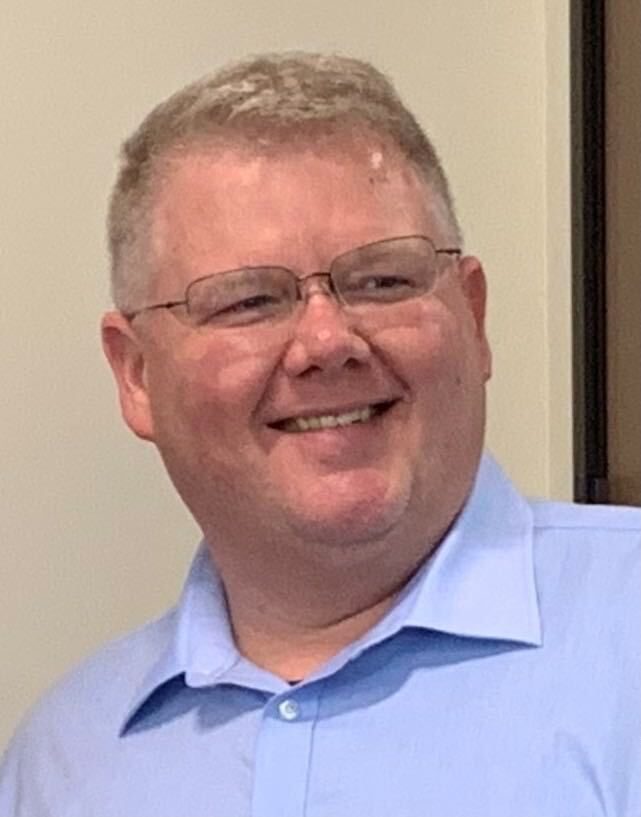
Nathan Wood
Director, Global Technical Presales Cloud and Data Services, Everpure

Kevin Rickson
Product Marketing Director, Everpure
Got questions about managing data on Kubernetes? Get answers.
This month we're diving into containers and Kubernetes–key technologies for IT priorities like Cloud-native applications, AI data pipelines, and modern VMs. But as more databases and other critical workloads move onto Kubernetes, how do you deliver availability, performance, and data protection, without becoming Kubernetes experts overnight?
See how Portworx® by Everpure helps you bring enterprise-grade data services to Kubernetes. You'll get an overview of how Portworx enables you to:
- Deliver Kubernetes-native persistent storage across on-premises, cloud, hybrid, and edge environments
- Meet availability and recovery requirements with container-granular backup, disaster recovery, and high availability
- Improve storage efficiency with automated provisioning, capacity management, and dynamic scaling
- Give application teams self-service data services while maintaining control, security, and visibility
We Also Recommend...
Personalize for Me
My Updates
No updates at this time.