57:04 Webinar
Tech Survivalist’s Toolkit: Everpure Cloud – Essential to Your “Go-Bag”
Continuing from the April Coffee Break theme of looking at practical ways to handle global supply chain availability and pricing challenges, host Andrew Miller invites Nathan Wood (Director for Cloud and Data Services) to the conversation. Getting Nathan’s take is like calling your “prepper friend” for advice on the best generator for your house before a hurricane.
This webinar first aired on May 19, 2026
The first 5 minute(s) of our recorded Webinars are open; however, if you are enjoying them, we’ll ask for a little information to finish watching.

Click to View Transcript
Welcome to this month's Coffee Break, for the month of May, although you may be listening to us in the future. You know, hopefully so, 'cause these actually have a decently long lifespan due to the solution nature where we don't just talk about, you know, Everpure and what we do, but actually some of the larger landscape. I'm joined this month, by Nathan Wood.
I'm as always, am your host, Andrew Miller, Lead Principal Technologist here at Everpure. We're here to talk about a tech survivalist toolkit, focusing on an Everpure cloud, and you know, we're gonna play with some ransomware and prepper pieces. When Nathan and I were brainstorming on this, it was like, ooh, this just feels right, and it fits in with the NANDpocalypse or supply chain, supply shock, demand shock, whichever
way you go. So this month we're gonna be continuing from the April theme of looking at practical ways to handle availability and pricing challenges, but we're gonna wander through it from a multicloud standpoint, and yes, it will link in. Nathan, thank you so much for joining me this month and, and especially for the You know, we spent some prep time going into it, even though I think we had fun doing it, so thank
you so much. Yeah. Any, any chance I get to spend time with you is, is always wonderful. You know, th- this topic is, near and dear to my heart as you know, when we, when we talked, talked through it. So I'm excited. I'm excited to be part of, you know, Coffee Break and what you're doing, and so just STaaS
thank you for having me. I appreciate it. You're here to be the star. It's m- it's my job to make you look good, but it's an easy job. Okay, a little bit of housekeeping before we start off. As always, Coffee Break is a series. You'd know it 'cause we have a logo.
You know, it's a simple logo, but it's a logo, and you can actually find all the previous Coffee Break episodes going back five and a half years either at purestorage.com/events. You can sign up for new ones and see previous ones there. We actually also maintain, it's a Google Slides, keep it kinda simple, both in, chronological order as well as by topic.
And thanks to the solution focus, they've aged pretty well. I often find myself sending them to folks or SEs or customers looking at them later. We will be back in July, meaning we, we'll be off for August, for June, because, hey, there's this little thing, it's a big thing to us, called Pure//Accelerate. Please make sure to sign up for that.
You saw the promo for that at the start. If you haven't, we will be live streaming the keynote as well as some of the REST API of the content. Candidly, I'm not sure which. You'll be able to see the keynotes live. We will be back in July with a special guest.
I think I know who it is, but because he doesn't know yet, I haven't read- I'm not gonna put his name on here until we nail it down. We're probably going to be diving into the world of cloud-native applications and Kubernetes and wandering into something called Portworx that we have. As always, please make sure to join us on the Everpure customer community.
You can see the URL there, you know, purecommunity. I actually need to change this to Everpuredata.com, but it'll still work. Gartner Peer Insights is always great. You can see from your peers what they're saying, and you can share your experience as well.
Maybe you're just here for the drawing. Hope you're here for more than that, but if you are, that'll be at the end. It's a Yeti mug. You can charge while you drink coffee. I have the previous generation of it, which, you know, if I turn around just now, you'll see, oh, there's the previous logo, and now it's gone.
We'll stick with the orange side since, you know, I need to get a new one this summer. And as always, I am your host, Andrew Miller. Don't usually introduce myself, but in, every time 'cause, hey, I'm here every month. Seven years on the customer side, for a while on the partner side. I'm thinking back to actually some of the first times that I worked with cloud
technology, and even STaaS is what it felt like, and this sense of the whole world is changing, and I don't know which way it's gonna be changing yet, but we know it continues, and if anything, we're now past the, "To the cloud. Everything goes to the cloud," and we're into the, "Hey, things live in multicloud and go back and forth," and have, have lived through some of that.
But more importantly, I've got a guest here, Nathan, who knows so much more about these topics, which is why he's here, but you know, he's a human too, so Nathan, you wanna introducing yourself a little bit? Yeah. Sure, man. I, so again, I'm a human.
As Andrew mentioned, I, I think I should clear that up upfront- in case there was any question. But yeah, so I've been in the, been in the business for a long period of time, a lot of time on the customer side, and then I came over to the manufacturer side. You know, I, I am a, a dad.
My family's down there in front of that "John ""Coz"" Colgrove" sign if you've ever been on a cruise in Cozumel. And spent a lot of time in our RV. That's, that's Gus Chiggins, our RV. You have to name vehicles in my family. It's just the way I work.
But have been at Pure for eight years. I celebrated my anniversary, a couple weeks ago, and have been here for eight years. Have loved every minute of it, and I've been privileged enough to work with Andrew Miller for a good portion of those eight years. And so very excited to be here today.
Very excited about, you know, what, what, the topics that we're gonna talk about. But one thing I wanted to ask before we get started, and this is, Andrew doesn't know about this. If you're gonna be at Pure//Accelerate- Oh little hi-ho in the, i- in the chat. I will look for you. I'm gonna be there too,
and so I will look for you. If you're coming to our Pure//Accelerate, let me know. I, I know some great spots in the Resorts World Hilton area. There's a fantastic vegetarian, spicy tuna roll that is amazing, and I know where to get it. And so I'm just saying if, if you're gonna be
there, you know, give me a little heads-up, and I will gladly meet up with you, buy you a drink, buy you a roll, whatever you want, and we'll go have some fun. Love it. Good call. I'll, all right, just, just to add there, in the early days when I was the first 6 to 12 months here, I was still kind of finding my way.
It's a semi-defined role when I moved into as a principal, a principal SE, and I'm saying this in front of Nutanix, but he was just super encouraging, like helping me find my so you know, right back at you. And- 'Cause you're awesome, bro. I love you. I love you. As well, we'll be at Pure//Accelerate too.
There's a session around FlashArray//XL. There's a deeper dive session on the announcements for Navigators. But hey, we're here to talk about cloud. We're here to talk about there's global supply chain availability and pricing dynamics. So let's dig into the, the agenda.
As always, it's relatively lightweight. You know, there's a little bit of a catchphrase. So, so multicloud, this is actually worth thinking about. This is from a friend now at, Everpure, Kent Hoy, but previously at AWS and Rubrik. You know, he talks about, so when he was at AWS, is cloud, is it a location?
Yes. Operating model? Yes. Is it a way to have an innovation center? Is it a costing model? So there's all these different facets. We wanted to pull some of these out today. Let's wander through four areas. As always, first half is a little more agnostic to the industry, or not as much as,
like, straight up about, you know, our stuff and what we do, but it's the perspective that we bring 'cause we are STaaS- we are students of our trade. W- So first, looking at a brave new cloud world, what we're seeing in an era of scarcity, pricing dynamics, allocation. Next, thinking about some of the classic themes, whether it's deduplication or FinOps,
but classic items that, of course, are reflected in Everpure capabilities, but actually more the thematic around them. But things that are newly relevant or maybe five or 10 times more relevant today. Third, how do you survive the cloud tsunami with Everpure Cloud? A little bit of the review of the design principles behind Everpure and AWS and
Azure, and even why AWS and Azure wanted us to do this. Like, they'd partner with Everpure, a company that isn't necessarily known first foremost for cloud, right? And the last but not least, some of what's new. Hey, there's a new product name and capabilities, and even where we're going in
the future. So hopefully, that feels like we're gonna keep it moving as we go along the way. There's a lot to cover. This is built candidly for a technical audience, but not meant to be a technical dive if you've joined Coffee Break before.
So Tatayana, if you don't mind launching off the first poll. This is a little bit of a, not a palate cleanser, but just, you know, we, we get more specific as we go along the way. So do you think And, and by the way, th- this, this may be a code word for, what, what PSTG should you buy? That's n- we're not asking for- investment
advice here, by the way. But do you think the current supply chain issues will improve, stay the same, or get worse? Uh- Ooh we'll add in some commentary there as we go, and we'll share back the poll. But diving into section number one, so Nutanix, thinking about, Oh, oh, and actually, there's
one piece I, I meant to draw out here, so we're, we're gonna jump out of order here a little bit. So, in the past, there was one piece here, there's one picture you didn't highlight, and even a little bit of your own personal background. When you were here, I think, and some of what was going on at the time- Oh, my, my time, my
time visiting fabs- Yeah. Yes, and like- and working in the, the, the chip industry? Do, do you mind kinda highlighting a little bit there of Well, I'll, I'll just leave this picture up 'cause it makes me happy. A little bit of, like, the previous dynamics you saw in a previous Nutanix, and then, then
we'll bridge to today and some of what we're seeing, so. Yeah. So if you, for those at home, if you can't tell, the guy on the far right in your picture with the clean-room suit that me, okay? Um- I was gonna actually say it. That is a, that, that is a FlashArray//XL- a, a Chinese FlashArray//XL, and it, it
Every time I visited the fab manufacturing facility, they knew it was me 'cause I was the only one that couldn't zip up a clean-suit. So, fantastic. That's great to be known for, when you travel to Shanghai. So you got, you kinda got my background a little bit there.
Are we, are we gonna go, you know- Yeah straight into the, the, the, the, the conversation? Yeah. Yeah, okay. Sure. Perfect. So, so, so- So- you saw, w- when you were there, you were already seeing some of the previous dynamics about supply chain pieces, about even, you know, th- there wasn't, at any given time, there wasn't enough
or there was too little. So I'll, I'll just kinda dive in here, and we can start by talking about global dynamics and, and kick us off, but feel free to link back into some of what you saw 10, 15, 20 years ago too. Yeah. So you guys are seeing this today, right?
The global dy- I, I was just watching, b- before we actually got on here, I was watching about Cuba, and the limited power that they have and running out of fuel and all those different things. There, there are just global dynamics that are in play today across the world, that are having an impact, right? And so that's, it's that, you know, that, that pebble on the pond, the ripple, of what that
means for everything that goes out. And so whether it's, you know, the, the political influence that's going on that's creating these different, you know, issues globally, that, that's, that's a concern that we all have to worry about in the IT industry, given about where we get our stuff from and the supply chain in general.
Then we compound that, right? And now we've got the, you know, the, the expansion of AI/ML data centers. I don't know if you've been on Facebook lately, but, I cannot scroll through a reel without seeing somebody, complaining about the data center that wants to be built in their neighborhood and why that's a bad idea, right?
These, these things are, popping up everywhere to be able to accommodate our thirst for AI/ML, right? There is demand. And then the other piece to this- There's real demand there. Oh, sorry. There's real demand there. It's more demand-driven.
It's not like back in the day, 15, 20 years ago, when you had dark fiber being put down that wasn't used. There's no unused GPU. Sorry, back to you. Yeah. I Exactly, right? And even NYSE: PSTG prices.
If you go look at eBay prices for GPUs, tho- those have gone way up too 'cause that's, that's my supply chain, right? That's what I That's Nathan dollars, what Nathan can afford- eBay, eBay GPU. But as Andrew mentioned, you know, back in the day, I worked for a company called SanDisk. It was the old SanDisk before it was Western Digital, and now it's SanDisk again.
But I worked for SanDisk, and we had, you know, fab facilities that were in, in China and basically supported our, our chip development. And there has not been a ton of growth in that segment, right? For the longest time, y- the, the NAND flash industry and some of the other industries around chip development had become more commodity than anything else, and so they,
they weren't necessarily building more manufacturing facilities in order to be able to take on that, that Hyperscale. So now that the, the, the pool of that, that chip technology is like the Serengeti in the summertime, there's no real rush to go back in and basically open up new fab facilities, right? If I, if I was once a commodity and now I'm
the belle of the ball, so to speak, I don't necessarily wanna go back to that. So it's, it, it There, there's all of these things that are in play from a, a global perspective, and then of course, that influences what we see in, in, in exchange into the market, right? And so, you know, a wafer increase of 25% in a single month, right?
These are, these are things that are changing dynamically so fast that it's hard to keep up with it, even from a pricing perspective, to get where you wanna be, right, to get to, to get the things that you need. Potential for 100%, we've seen these things and then, you know, FlashBlade//S hedging that for, you know, SLAs. The, the influence of the market now plays a role in how we run our data centers, and that
is, that blows my mind-From back in the day, right? Like- Mm-hmm you remember, Andrew. I mean, you've been talking to customers Evergreen//Forever. Can you remember a time that it basically impacted it as much as it's impacting today? You knew that you had weeks or months maybe, but, but you would never plan around it.
You just assumed it would be fine. For me, it was, I was in university, so I had to kinda think about it a little bit to get stuff in in a summer timeframe, but it wasn't a big deal if I'm planning by April, you know? So again, th- these are, these are the things that we now have to be concerned with from that standpoint, and that's what creates ultimately the, the customer impact, right?
Mm-hmm. And that's, you as our customers, that's your internal customers. Everybody has a customer, right? And so it impacts everyone. If, if we're getting charged more for compute, right, what does that mean than what we, what
we've expected in the past? If we're paying more for storage, right, what do we have to deal with there? And then software, you know, we've seen increases across the board for, for software as well. So now all these things, it starts stacking up, and now we've got this issue of I'm not just paying for it to be in front, to be on the
cutting edge of technology. I'm now paying to maintain my status quo. Mm-hmm. And that, that to me is a, you know, a huge differential for us. This And, and, and Andrew, Andrew forwarded the next one, but- Yeah cloud cost crisis, right?
Fuel sur- fuel surcharges related to AI/ML, the overruns that we have, all those different things. I won't read the slide 'cause you guys are super smart. But there's all of these different things that are playing into the market that we now have to be aware of just to manage a data center. I didn't have to When I came up and I was working on the customer side, I did not have
to understand global politics to make sure my SQL Server ran, and now I feel like I have to, right? It's part of what I do in order to be able to make sure that we're accommodating everything that customers need, and that includes the integration into the cloud and what we have to do there. I think there's, there's two stories I'll
throw in here. Some stuff we put in the slides, some stuff we don't. But one is, I'm thinking back to during COVID, there was actually a, woo, a large technology company that you would know I should be good and anonymize. They were on a not Pure product at the time, and they could not get any shipments for
months, and so it was It even pained my technical soul a little bit, but the discussion was- wasn't a "Let's talk about your great capabilities and business value and technology features." It was, "Can you ship? And when the answer was yes, it was, "Shut up and let's talk about all the other stuff later," 'cause fundamentally that's what we need. We're entering that world more so in some ways
right now it seems like, as well as hearing stories from my friends on the partner side, so eight years on the partner side, and still lots of friends there, and who knows, maybe a future version of Andy Brown someday. That's why I wander back. No, I'm not leaving Everpure, but just like, you know, I still, there's a piece of my heart that is still there.
But hearing from multiple folks about either two to three X price increases on NVRAM and, and, on NVRAM and SSDs as well as quotes that expire within 30 days, or actually don't expire but you place a PO as a customer And I can imagine this. I can't imagine this when I was a customer, and then 30 days later you get a note that, Hey, your gear is ready to ship.
We're 60 or 90 if you would like to accept the new price. So you have a choice. Your choice is cancel or double." What kind of a choice is that? But, but that's the reality, and I'm not trying to, like, pick on companies. Like, that's the landscape we're living in.
Any other thoughts there, Nathan, before we keep going? Yeah, and Andrew, just, just one thing. So la- last week we were at that- Yeah conference here in Atlanta, and, we had a customer that came up to us after, after a presentation that we gave, and they mentioned that they had that situation where they had an order that was on allocation.
It was what they STaaS- it was their standard kind of marching order of what they put together. Normal, yeah. And they, they had that in there, and they were given that exact ultimatum of, you know, Hey, we're sorry. We know that this is your standard allocation, but now that pricing is increased by, you know,
50 or 75," I forget what they said, "50 or 75%." And they, they could not do it or, you know, basically p- pay, pay the upcharge. And, and I A- and no one is being evil, right? It's just the, the way in which all of this supply chain is coming down and trickling down into the data center itself.
So with that, as always, you know we keep the sections moving, so I'm gonna share back poll number 1 here for those who are curious. And, again, to reiterate, this is not financial advice, not stock advice, whichever. But, if you wanna follow it, we are in a majority, or majority minority, 45% think it's gonna get worse, 35% stay the same.
We have some optimists, 19%. Just, just being real from a, a practical standpoint of what we're seeing as Everpure, we're probably seeing it get worse over the next six to 12 to 18 months. That's not a crystal ball or definite. It's just the data points that, that we have in general.
Tatiana, if you don't mind launching poll 2, and feel free to riff on that as well, Nathan, before we get to poll three. Yeah, I, I, I was hoping that we would have, more improve- just 'cause I, I hate to always be the Gloomy Gus, you know what I Like- Mm-hmm I, I like, I like the positivity. But a- all in all, I, I see the same things, right?
I see that writing on the wall and the, the feedback that we're getting from customers, not just in North America, globally, right? Around these different things that they have, the new hurdles that they have to overcome in order to be able to, you know, be successful. So I, I, I can see where it could create some, some, downside concern, on behalf of customers
that may have fixed budgets or may have projects that are due, where now this has put a wrinkle into it that they didn't expect. So you can see the next poll question, importance of a hybrid cloud or on-premises strategy for operational stability. We'll let that poll hang out there in the background as we always do.
That's a good question. Moving into section It is. It's a great question. I wonder who wrote it. The, the, look, number 2, thinking about classic value. So you may be like, "This feels a little bit similar last month." Yes, 'cause we're orbiting around some of the same top level challenges but different ways.
Last month we went down very much a STaaS path. That's gonna We're gonna pull in some linkage here. But let's look at it from a multicloud. So, a- and especially because cloud has always been about, and you see some of it flexibility and be able to burst and do things on demand.
Of course that feels like it fits and they have these huge build outs, so there's capacity somewhere if I can be flexible. So when we were, when we were getting ready for this, I actually got thinking back to when I joined Pure Storage, 'cause it was Pure back then in 2019, one of the reasons I actually because of what at the time was called Cloud Block Store.
And you can actually still find, and maybe I'll put this into the JSON later, of actually where I would do webinars where I'd talk about this. You know, these are some of the early STaaS slides about the right strategies, and not or, not cloud is the enemy or, or cloud's a dirty word like in the poll. Doing and is hard because, you know, one isn't very cloudy, other's in- very enterprise.
And there's this gap in capabilities and approaches, and to embrace, especially in COVID, I would go and whiteboard this. Now, I, I thought about stopping here, but it's like if I stop here, it'd be like your only takeaway is Andrew has really messy handwriting 'cause he's left-handed. Both are true statements. But this was the, the nice walkthrough version
of 20 minutes of drawing on my iPad to kinda help get to, you know, oh y- this matters, the capabilities that we've had on-premises in the cloud, but actually more about the abilities about how we make cloud-native storage better. It's not a-er, it's a w- we're working with AWS on this. They, they have a choice about who they put in their marketplace.
So the, the reason we put that up wasn't A, just so Andrew So I could go through a little bit of, you know, just, just a little bit of nostalgia, but some of these themes for Everpure now link back to five, six years. Sometimes a, you know, right place at the right time. You're in the right place and the time, the circumstances keep shifting.
Any, any, before I jump into the JSON today, any kinda classic value that you would wanna highlight backup from, you know, back in the day? Cause like you said, you've been here eight years. Yeah. Well, first of all, I miss the Andy Brown, iPad whiteboards. I, I was, I was present for many of those, and
if you think it looks crazy at this point, you ought to see it when he's going through it. It was, it was amazing. It was something to behold. So, that's, that's, that's number 1 comment. Now number, now number two is all of the things that previously Pure Storage, now Everpure, right?
All the things that we've done well over the years are applicable across different environments. So it's, it's not only what you're doing on-prem, but it's also what you do in the cloud. It's what you do pretty much anywhere. And so all of these great capabilities that we've built in around, you know, DR and,
DR redundancy and HA and all those great things that we've developed over time, those are- Mm-hmm tho- those are, those are still oldies but goodies. They're the favorites that basically form the foundation of even our modern data centers and what we need to do. So if you cover those fundamentals, what is that?
Mi- mind the penny and the dollars will take care of themselves, or mind the pence and the Pound will take care of itself. Mm-hmm. We, we focused a lot over those, those initial years of how do we mind the penny dollar can take care of itself, and I think that what we're seeing now as people look for, Well, to harken back, right?
To our, our prepper mentality. As we look for our backup plan, and what we're gonna do, how do we, how do we easily integrate in the stuff that we're already doing on-premises into cloud? How do we make that, to, to bridge that gap so that the gap goes away and we just have a continuous architecture that allows us to meld between the two?
And again, these key data insights and what we're doing around fundamentals related to not only data integrity, but backup and recovery, you know, data sovereignty, all of those different things now become just as incredibly valuable when we look at something like cloud. S- so let's go a little bit to the big bang here, and we're gonna jump around here. So 69% of organizations blew past cloud budgets, and now this is wandering a little
bit, we're wandering into some Everpure pieces. So there was a great highlight here, 50%. That sounds fancy. I don't know. Does this look- I, I think, I think it There, there's a better slide than that, man. Come on. Don't- Oh don't s- show the basic.
There you go. Now you've got the nice, Pure1 that we built. That's, that's just- I know everyone's just like, "I'm gonna read all the small words," but it's real, and there's, like, depth here. Keep going. Yeah, don't, don't, don't
read, don't read the words. But this, this is what we're, what we're talking about is the ability to go in and help control these multicloud costs, right? To make it easier for you to be able to move your environment into the cloud. And so what we've really been working on is how do we help customers save money?
How do we help you make it easier to envelop the cloud and use that as a potential backup location, right? There's not a lot of places that you can go, right? And so the, that's where we really look at the integration of the cloud with on-premises to be able to bring those things together.
And as we talked about a couple minutes ago, when we look at one of the big expenditures, it's capacity, right? Capacity in the cloud. So if you can leverage the technology that you've been appreciating on-premises from data reduction, if you can do that and also bring it to the cloud, that's a win, right?
And that means that now we're bringing down the amount of spend that you have, not to fill your pockets or send you to Bali or wherever, but it's to pay for those things- Of course you wanna go to Bali. That's fun too all these other pieces that are increasing, right? Okay, may- maybe Andrew will go to Bali.
But the rest of you are prob- You don't have Andrew Miller money, right? And so when we're going out and looking at it, we need to, we need to have those places where we can save money. That doesn't mean we're skimping. That doesn't mean that we're going and trimming the deduplication off of things.
Now it means that we can go in and actually do something that's better for us in the cloud than the cloud itself, and at the same time, we put money back in our pockets to be able to use for all those other things that we don't know are coming around the corner. And so for all those pessimists like me, 'cause I, I, I would have answered, "I think it's gonna get worse." I, I wouldn't have I'm not a, I'm not a positive person, right?
When it comes to that. But for all those folks that were with me down on that third bullet of, "Hey, we think it's gonna get worse," wouldn't it be nice to have a couple of extra dollars in our pockets to be able to leverage so that if it does get worse, we have a way to, to move forward? And that's, that's really what we talk about bringing in this, you know, in this equation,
Andrew.And I, I can't help myself, but I have family in Singapore, so go backup there periodically. I'm fairly open about that. You can see this online. I don't like to say when I'm there, 'cause, hey, you know, that's not good, that's not good security. But, when, for folks that live over that side of the world, going to Singapore,
Bali is like a three or four-hour flight. It's kinda like someone going to Florida or maybe Cancun. So on this side of it we're like, "Oh, that's so cool." Over there it's like, "Eh, eh." That for them, coming over- to like Florida would be amazing. But there's more multicloud stuff.
So from a classic standpoint, and this isn't to like to, to beat on challenges, but there's, there's classic challenges, and then even classic solutions. Mind kind of highlighting a classic challenge or two? Yeah. So, well, let's hit the first one, right? Cause everybody has to worry about that, visibility and management.
Everybody knows that there's a delta between how you manage traditionally, how you manage data on-premises, and how you manage it in the cloud. They're, they're typically not the same, right? Y- as Andrew pointed out in his, his historical slides, hey, there was, you know, too cloudy over here, not enough cloudy on this side, right?
And so being able to, to blend that gap and, and eliminate that visibility challenge that you have to be able to manage your data, how much data is this project using, and to be able to give somebody an exact number, right? Or how many IOPS is this application-aware generating? And if you're split between a cloud environment and an on-premises environment,
how do I, how do I know, right? How do I equate that? How do I measure it? And so just having the, the ability to do that is huge, right? Because now you can say exactly what things are and not have to go and be like, "Well, I think that one's a little slow," right?
We don't, we don't, we don't wanna have to measure that way. So that, that, that's a big one, and then the other one that is near-zero RPO to my heart, I talk about risk all the time, and that, that's you, you can see from my, my outlook here, even the, you know, the, the prepper mentality. It's all about managing risk, right?
So whatever you're doing in IT, it, it is less about the technology these days and more about risk. How do I reduce my risk? How do I make sure that I'm, I'm bringing that down to not only a measurable level, but as low as I can possibly go?
And what other tools and technologies can I bring in in order to be able to reduce that risk further? And I think those are some of the key. There's, you know, data mobility and managing cloud costs, we already know that costs are something you have to manage, so I'm not gonna go into that one. Data mobility, everybody understands that if you're operating a hybrid cloud, you
gotta be able to move stuff back and forth. I can't have something that only lives here and doesn't live here, right? Mm-hmm. And so this goes back to what And I'm sorry, Andrew, I didn't know if you wanted to tie off any of those or if you want to keep, keep going. Keep, keep going, and then I'll time it at the end.
All good. Yeah, so it just it comes down to what customers need from a, from a storage environment. And this is, you'll notice that these things are not different than what you would look for in your on-premises environment. It's just a matter of being able to bring these into the cloud and have it be applicable
there in the same way. So you're not playing the baseball, but it's got different rules, right? Baseball should have the same rules on both sides of the equation, and if all of a sudden you go into the multicloud and you're playing with AI/ML, instead of a baseball, you've got something the size of a kickball and you still have to hit it with a bat, it,
it changes the function of how everything works. It changes how you play. So if you can change that rule back and have baseball be the same for every field that you go to, now all of a sudden you're in the driver's seat, right? You're in command. You're able to bend that to what you need it to do rather than the other way around.
And I think, again, that's You know, we, we can go broader if you want, Andrew, but that, that, for me, like, that's the big thing that I think of is how do I make it as easy as possible in order to be able to go from on-premises to cloud to on-premises and, and have it be the same architecture, have it be the same management console, have it be the same for everything, and be able to make it as similar as possible with where I
don't have to have a huge learning curve or, you know, learn a whole new set of rules to play on that field. All right. A concept and a story, and then we'll go to the third poll. Thank you. That was awesome. Is the, the concept is that sometimes the features that underlie this are things that we've known for a while, and, and
you were already referring to that. You know, so let's Everpure it kinda down a layer for folks. Like, you think about deduplication. Well, that's been around for a while, but if suddenly the underlying costs have s- have gone up dramatically, well, data production, that exact same capability, has an outsized impact.
Or even data mobility, you know, that you can actually move things around. Or even, say, snapshots, the ability that mean you don't deduplication data, but you synthetic copies. All these things are, are the same ideas that we know, but they have a, a large e- a higher enough impact that they almost become these different things, and they wrap into the fun new term, would be FinOps, which is on one
level, if I'm a little cynical, I'm like, "Eh, that's just thinking about money." But it is also a level of focus and rigor around how we approach this, that has a new thing, and sometimes you can play with that term in your organization, a little bit of, you know, internal coaching possibly. If you have a FinOps team, go talk to them about you may have capabilities here.
The story is just more linked to when I was actually back at Rubrik at one point, someone started pulling a lot of their cloud spend out of one major Hyperscale and to another and actually Rubrik facilitated that for, like, a cloud archive, okay, kind of thing. And about a month into that multicloud process for the backups to age out and kind of thing, they got a call saying like, "Hey, we noticed major changes in your, in, in, in your
usage patterns. Could we discuss discount levels? Could we discuss other offerings? Could we..." Like, so there's a level here of independence that allows cost arbitrage between clouds, and I'd argue that is even more critical when sometimes you just can't get something on-premises or in one cloud versus another, but also to have some cost
control in an environment where any given, any given location that you're in is going nuts. Right, and I think also, too, and, uh- Yeah when we get, when we originally thought about cloud, right, back in the day-We didn't think about, oh, I'm gonna have a place where I have some form of lock-in because there's a STaaS that they offer or, you know, there's other things that I have to leverage.
We always thought of it being like, you know, utility computing, right? Mm-hmm. Or grid computing, where I could just put my data wherever I wanted, I could have my apps run wherever I wanted, and I just would, I, I would go where the, the cost or the FinOps factors drove me, right? And if that was on-premises, I'd stay on-premises.
If it was in the cloud, I'd go to cloud. And one of the things that, that we didn't count on, right, was the, the complexity of going from one to the other when they're varied in the way that they, they structure the arc- architecture. And so being able to, to pave that over and have concrete, you know, that, that standard
flat platform everywhere, now it gives you that capability, right? And so I, I look at this as that, you know, delivering some of those original thoughts and dreams that we had for the cloud, and now we're making that a reality reality for a lot of customers. Mm-hmm. Okay, let's go to poll number three.
And if you're thinking like, "Hey, are they gonna talk a lot about Everpure stuff?" Yeah, we are. That's the next section. So let me think. Poll number Ooh, I'm, I'm just sharing the results back. So we have poll number three up.
Let me actually comment briefly on poll two just for everybody. So, growing in importance, for cloud strategy was 57%. Status quo 29%, decreasing in importance 4, and cloud is still a dirty word, hey, that was at 11%. So and I, I recognize it, and, and especially depending on the environment you're in, that can very well be the case.
Okay, so making sure to share my- We have a lot of progressive people, Andrew. I would That, that cloud is a dirty word. I thought that was, I thought that was gonna get a lot of attention. There's still some people out there- A lot that don't like it, right? Cause it's hard. It's hard.
Or, and sometimes it can still be driven top-down, being real. So, where do your workloads live today? I won't read the answers out, but, but genuinely curious, and I will make sure to either share the answers back or read them to you, so you know. So let's think about some of the core cloud-native design principles.
You know, had a little bit of fun with, you know, surviving the cloud tsunami with Everpure Cloud. So we've alluded to some of these, frankly, here. I do as we were trying to kind of pull the sections apart to be a little bit more agnostic versus focused on Everpure.
So if you're like, "Eh, they already hit on some of this," yeah, we did. But Nutanix, do you mind kind of starting out with how we've thought of this from a Everpure cloud? There's a good GB of it on the screen here, but I know you got more in your head. So, you know, how do we think about this overall?
Yeah. The, the idea was Again, and we've talked about it i- in a couple of these things. We just haven't mentioned it in relation to Everpure Cloud. But, the, the, the big piece was being able to bridge that gap for what had traditionally been enterprise block, right?
So how do we make it easy without refactoring, right? Cause you can go into the cloud and you can refactor your apps, and you can change everything around, but that takes a ton of development. So what if I wanna, if I wanna be able to leverage cloud, but I wanna keep my apps exactly as they are, I wanna continue to use block storage, and I wanna create a bridge
between what I've already got and where I'm building in the cloud, so it makes it easy to make that movement? Remember that I talked about, hey, we pave, paved the road, right, in there. Mm-hmm. And so, so how do we do that? And that, that really was the driving factor behind what was Cloud Block Store, that became
Pure Storage Cloud, and now is Everpure Cloud, right? So the evolution of what we've been doing. And now we've gotten to this point where, customers have to have that. So there was the rush, as Andrew mentioned at the beginning, there was this rush to everybody. It was shiny keys, right?
Let's all go to cloud. And that happened. And then everybody said, "Oh, well, shiny keys are expensive, and so we're gonna go back to on-premises." And now we've had, you know, world-changing things and supply chain shortages and whatever else is gonna come around the next corner when the ne- when the other shoe drops, and now everybody's like, "Okay, well, where, where do we go?" and the
answer is, you never have just one plan, right? You never have just 1touch bug out plan. You gotta have, you gotta have multiples, right? There's always a plan for a plan and a backup plan. And so if you have the ability to go out and run the same SOPs, the same runbooks,
be able to do the same things that you do on-premises, but now across all the clouds same way, so in AWS and Azure, and being able to leverage that technology, what kind of power does that give our customers? And so that's really where we came to with this. How do we turn in this, this incredible technology that we've built for on-premises
turn that into a STaaS focused option that runs within the, the, the framework of the public, public cloud providers? And that was the, that was the basis of the development of CBS, PSTG, and Everpure Cloud, and we've continued to refine and develop that over time so that we could bring all of these data services that you see on the list here, all of those things that you've come to grow
accustomed to if you're a Pure1- Everpure customer today, we brought them into the cloud. And that really was the transport mechanism of how we've built this architecture out to ensure that no matter where you go, right, we can support you from an Everpure perspective, and more importantly, that you can service your customers with the same level of data resiliency, with the same level of data reduction, with the same level
of ransomware remediation. All of those great capabilities, you now can bring into the cloud and be able to have those there too. And so that's, that's been our vision, from day one, and we've worked and worked and worked in order to be able to get there. And every revision, every name change, right, we got a little bit better, a little bit
stronger, we added a little bit more to it, and now we're just at this point where, hey, there's, there's a reason for customers to look in that direction. We have all the capabilities that customers are looking for, and for the first time, when we go in and we have the conversations, it's not, "You need to invest in this in order to be able to save money over time." Now it's, "If you don't invest in this, you're missing
out on X number of cost savings," right? And that really is the key here. So when we look at these numbers and how this falls into place, if you could save $50,000 a quarter, let's say it's on the low side. We have customers saving millions.
But if you, if you were on the low side and you save $50,000 a quarter-How much value does that bring to the business to have that extra 50 TiB? And this is money that you're already spending, that's already committed, that you can skim off in order to be able to go and basically do other things. Maybe it's developed for some stuff for those AI data centers we keep building
the place. Mm-hmm. Who knows, right, what that tasking would be, but that's what we bring to the table with the, the latest rendition of Everpure Cloud, is the ability to go in and have that savings and be able to drive that through, whether it's to your customers or, the stakeholders within your organization or whoever it may be.
You now come out looking like the, the, the champion of all champions because you've taken your budget and deduplication in order to be able to accommodate all those needs. So those are the things that, you know, from Andy Brown at least from my perspective, right? Um- Oh tho- those are the big things that Everpure Cloud brings to the table, and why, why, why I'm so excited about going out and having these conversations with the customer,
because it's, it's a different conversation than what we've had in the past, and it's so timely to all these other- Mm-hmm things that we talked about in the first, first couple of sections. I think I only have two thoughts I'll add in. One is just talking about your, you know, having multicloud options. So, you know, and I'll just go back to this one 'cause it kinda shows, hey, we're in, in
the AWS, it's in Microsoft Azure. We're gonna talk more about some of the deeper partnership with, with Microsoft Azure. But it can be on-premises, to the cloud, and back and forth, and even potentially STaaS for this. And now, one of the things that's interesting is especially if you started out in the cloud, you're listening to this, you know,
cloud-native frankly from a development standpoint, you just make assumptions that the underpinnings you don't have to worry about. You assume that they're almost Evergreen. You don't think about what's under those. On-premises, that's not been the classic assumption.
You've had forklift upgrade, you've had data migration, all these pieces. So WEKA and Evergreen is an official term for Pure, Everpure with a capital E on it. So not only are we bringing that almost sometimes cloud-native experience from a no forklift upgrade, no data migration, et cetera, on-premises, but providing it between on-premises and the cloud.
So you do have the ability 'Cause you could say one thing, it's, oh, it's portable to go move one way or the other, but then if the experience is so very different as far as the operational overhead, that doesn't work. Thought number two is actually going into, And actually, I, I, I love the pieces here just from a cost standpoint. 'Cause we've been for a while been able to say,
okay, at a theoretical level, but now we can say really at a customer level, and there's a little bit of cheerful contrarianism here. Cause you might be thinking, "Hey, you say you, you, you're working with AWS and Microsoft Azure, and they like you, but why would they like this number?" So there's a little bit of a And of course this is a webinar, a public, public thing, but you
th- this isn't widely known. They've actually found that for customers that spend the majority or a higher percentage of their spend, committed spend, etc., that you have with AWS or Azure, on the nu- less differentiated services, I won't say non-differentiated 'cause they innovate in block storage and AI/ML, in the core block storage and, and the compute, etc., but
on the less differentiated side, they find those customers both aren't as sticky and aren't as happy. So they're actually really fine with us providing more capabilities and cost savings at this layer of the stack, 'cause there's usually a committed reserve spend, and then you're using it on differentiated services that bring more value to the business, good for you, and also make you stickier for them
as a long-term customer. Good for them, too. A little bit of a win-win, but you know, in a, in a capital-capitalist scenario. Anything else, Nathan, before I jump to the last section? I mean, a- and Andrew, e- e- before we go, just- Yeah every, every supplier, right, wants to be able to, you know, add that value to the customer. Yeah.
And I, you know, I, I sat with Microsoft a couple weeks ago a- and had a conversation around this, and they were, they were so eager in order to be able to, to do this for their customers because they see it as an advantage, right? And so regardless of, of cloud provider, that, that's why we're so, you know, appreciated in that, you know, we're again, like you said, we're, we're bringing back those dollars that
can be spent elsewhere within the platform, and whether that's, you know, Copilot or something else along those lines, the AI component is We can't, you can't have a webinar without saying AI/ML at some point. So, um- Ding all of those things start to add value, and I think that's, that's where the, the, the passion is for them.
So let me, let me sh- oh, I'm gonna share back poll number three real fast before we poll four. I'll be good about it this time. There we go. So share results. So where do your workloads live today? 24% more cloud than on-premises, 52% more on-premises than cloud. Cool.
Pretty evenly split, 16, and continuously moving back and forth. It feels like my bet is the split and the moving back and forth are gonna keep growing just "John ""Coz""" the It's not a I live here, I live here. It's like, well, things move. As, as the facts change, I change my mind, you know, kind of thing, or as the facts change
where it makes sense. Tatiana, if you don't mind sharing poll number four, and then we will dig into the final section, which will be, it'll bring home some- By the way, on poll number three, Andrew, while Tatiana's sharing- Uh-huh I, I, I would wager a bet that previously that poll that we just showed would have turned out differently when we asked it two years ago, right?
And where people were at between the cloud on-premises split. So I, I, I'm Th- that's encouraging to see, as much growth in that cloud sector, and in that response. So that's amazing. Last question: Do you think of cloud differently in your personal versus professional life?
Personal admission, when we moved into the house that I'm in, I had a, a separate 20 amp circuit put over there 'cause I thought I was gonna run a half rack in my office, and then I never ended up doing it. Maybe that reveals me as a fraud. I don't know. But, like, there's a lot more multicloud
in my life personally than stuff in my office than I thought. There's, there's some generators and other stuff going on for, you know, o- overall prepping. Okay, last section. Everpure Cloud updates. Nathan alluded to this already, and it was meant to be a little bit of a, a cheat code,
cause if you've heard before of Cloud Block Store or you heard of Pure Storage Cloud, Everpure Cloud is the successor from a naming standpoint, but it's matched capability changes. As well, you might be th- so this section we wanted to both acknowledge the name change and also where, what we've been releasing and where we're going.
You may be thinking though, "Hey, did I see that slide in April last month?" You're right, you did, because what I talked about with Rob Lee around, you know, new features in Pure1-This applies to Everpure Cloud, the common engineering, so it actually applies. You heard about some of the stuff last month, or you heard about how Evergreen//One helps ransomware-safe and gives you buffer capacity and energy
efficiency and all this STaaS. So actually, some of these apply a little differently in the cloud, right? Let, let's be real, because you're on top of, you know, virtualization. But the core value of Evergreen//One applies to Everpure Cloud, as well as y- you can Everpure Cloud, from a, from a Evergreen Evergreen//One standpoint that sits within
operational expense budget. It is a subscription, period. Just because that's what the cloud is, right? Even if you do reserves and committed spend, et cetera. With that as the backdrop though, Nathan, do you mind kinda walking us through some of what
we've been doing recently, and even up to, even up to now, if that's all right? Yeah, yeah. First I think it's important to know the difference between, you know, we talk about Azure Native, we talk about Dedicated, right? Yes. Thank you. So I, I wanna, I wanna tie off on that first. So it, it- I should've cued
you up for that earlier. Good man. Good man. Yeah, you know, it's, it's, it's, it's all good. So, i- if you don't know, there, there are two different versions of what we have from a Everpure Cloud standpoint. There's Dedicated, which means that it is something that you install, you manage it
same way you would your, your FlashArray on-premises today. You can go into Pure1, you see everything, you manage it the same way, and it basically is a, a dedicated solution, that you can use in either AWS or in Azure. But there's a new thing, and so let me, let me talk about that first, and then I'll go through what where we're at currently.
But the new thing is Azure-native. So now, let's say you want all these capabilities, you want all the DR, you want the thin provisioning, you want all the great things that we've talked about, but be able to do that as white-glove as poss. I don't wanna have to manage, Nutanix.
I wanna, I wanna make it easy." Well, now in Azure, we have a native service. So it's a first-class service within Azure that you can sign up for that allows you to get all that great functionality, and you don't have to manage it. So Azure takes care of it for you. So great new capability there that we bring into the, you know, bring into the environment.
You can see some of the different things that we've added as far as, you know, current standing. Vsphere plugin, very important, right? That's one of those things. Mm-hmm. So if you're an AWS customer and you're looking for a storage alternative, being able to use the vSphere plugin with Azure-native, very key, right?
On the Dedicated side, right, you have the ability to not only bring in all the different technologies, but we've added in the ability to have increased capacity. So we've, we've made that, brought that to fruition. So remember, when we started out, we've, we had this, this very, you know, kind of narrow focus. "Hey, we wanna bring these technologies in."
So we used a limited data capacity, and then as we continued to expand and go down the track, we've continued to grow that. So much so, right, that now we've even offered a new configuration in the v50. So we have several models, v10, v20, v50, and that's basically the, the different configurations that we offer.
And so that, that drives us into: What are we doing? What's our, what's our future outlook? And none of this is written in stone. These, you know, we'll, we'll always talk about these things are subject to change. They may be different.
They may change. But one of the things that we've really been pushing for its continued global expansion for that Azure Native component. So as you guys know, STaaS are only available in particular areas, and we've had North America covered for a long period of time. And so we've been gradually expanding into EMEA and MECTA, into APJ, basically adding our
services in throughout. And so we've started to roll that out even further, and we're gonna continue to push that out into all the regions so that everybody globally has access to the Azure-native services. And then on the Dedicated side, we've done a lot there as well, right?
So we've brought in the ability to leverage OpenShift. Hey, a lot of people are looking for virtualization alternatives, and that's, that's something that we wanna look at. Andrew has pushed me to go faster by revealing the next slide. Nope. Let's go to the next slide and talk about- I was just going too fast.
I was going too fast. I, I, I- You're great. It's all, it's all good, man. I, I understand. It's good. I, I talk a lot. People know. Customer value, right? That's, that's really what we come down to.
And whether it's Azure Native or the Dedicated solution, Azure Native's the easiest to deploy, right? I don't have to worry about it, no management overhead, and it's available globally, so I can use it everywhere. Dedicated gives me the most flexibility, so if I'm AWS, I can use that capability as well.
I have tight on-premises integration because now I'm using Pure Fusion to be able to manage both my on-premises and my cloud-native environment, and then again, available globally. That's really key. So this isn't something that you have to do in North America. I know a lot of you probably represent
organizations that are international, that have, you know, either data sovereignty or international contingents that you need to plan for. We can provide for that, too. So all of these things are things that we're doing to enhance the customer value. And remember, this is on top of saving you money from day one.
That's the key. This is, this is not a sale that you have to go to the boss and be like, "Well, if we invest this today, over the next five years, our yield will be X." You can go in and say, "If we don't do this tomorrow, we lose $25,000," right? And that, that's a much different story to tell.
And we can actually go through and look at your data and how you're leveraging cloud give you exact numbers. That's part of what we're providing, is being able to tell you what can you actually save. Andrew called it out right there. That shows you this is kind of a general one, but we can do this specifically for you and
show you exactly what you would save. So again, it's, I'm biased because I love it. I'm biased because it's been around almost as long as I have. And I'm biased because it, it truly delivers for cloud customers what Everpure and Pure Storage has been delivering on-premises since we got here.
I can't believe it's almost been 50 minutes. It has been 50 minutes. Thank you. And I actually was, truly wasn't trying to rush you. It's like, "Ooh, ooh, ooh." I could feel like- No, you're watching the clock, man. Yeah. That's what you do. Yeah. I appreciate it. At EVS plus SRM support,
I was like, man, that goes back for me. Like, I did SRM, like, 1.0 way back. But it feels like we went through a lot. We did, even as, candidly, it's always the format. We leave a good GB out 'cause we try and make this accessible, relatively interesting,
keeping the energy up. Hopefully you feel like you learned something. And of course, if you'd like to learn more...Reach out to myself, reach out to Nathan, reach out to your Pure, your Everpure account team. You can go on the communities, et cetera. Nathan, thank you so much as always.
I knew, I knew it would be the case, and I was planning to say this, but I'm saying it 'cause it's real. Thanks for being a great guest. Thanks for the prep time, for the partnership with- I, thank you for having me on, man. I, again, I, I, I appreciate everything that you've done with the program and continue to do, and I'm, I'm just happy to be here and, and every day that I get to work with you is a
blessed day, so I appreciate it. Thank you. Any other final cloud thoughts to bring us home before we do the poll and the drawing? If folks were staying away from that, so always wanna make sure to give you a last word. No, just DR- let us help you.
That, that's the only ask. "Hey, come talk to us. If you have a question, come talk to us. We're here to help." and, I, I don't know of, I don't know of any organization that is, is trying to help customers more in the cloud, than Everpure. And so, you know, come talk to us and we can see what we can do.
Love it. Even at a general level, I'll pull that cloud-level to even a company level, you're gonna see on May 27th our earning results the quarter. And of course, I'm not saying anything in a quiet period, et cetera, but our, our CEO has publicly said, so therefore I can say this as it relates to financials, that we're actually not taking advantage.
We're actually lo- we're actually guiding relative to the lower end of our margin guide because we're trying to help customers out and not take advantage of the craziness going on, even as we have to be profitable to keep staying, investing in R&D and doing other things. But both at a cloud level and at a general company level, we're trying to be more in the boat with you in the, in the middle of all
this craziness from a customer standpoint. Poll number four, if you stayed around for that or you were curious, I'm gonna share the results backup. So this is where, let's, let's take a look here and CVE. So I'm multicloud at home, that's 21%. Works different. I don't like cloud at all, that's 5%, period.
My organization is different, okay. And, you know, organization feels the same way. Any other thoughts there, Nathan? I, I love that I'm not personally a fan of cloud, but my organization is full steam ahead. 47%, dude, on that one.
The majority. I, I wouldn't, again, I wouldn't, I wouldn't have guessed that either. I would've been like 'Cause I, I, like you said, I can't run an entire frame in my house, so I use cloud all the time. Like, I don't know what I would do without it. Not to mention all the other services that it offers, Netflix, Disney, everything else that
I leverage for me and the kids. So to not be a fan of the cloud, I don't, I don't know. I do have friends that, friends that, run their own Plex servers, so they're like, "Eh, not that. Do it this way. Eh." Okay, next month we'll be back in July with a special guest, likely around cloud
cloud-native, applications and Kubernetes and Portworx. We'll, we'll make sure of that, and you'll get a notification on it as well. And if you stayed for the drawing, Jackie L., I always go with the first initial of the last name just in case you don't want to be, you have your name publicly said on a, on a webinar. But Jackie L., we'll be reaching out to you.
You are the proud winner, happy winner, or winner, all of the above, for a Yeti mug with the new Everpure branding, and you can charge your phone while you drink coffee, 'cause I guess that's what we do. I don't know. Either way kind of thing. Last but not least, always like- Congratulations, Jackie L.
And I think, I'm looking here, we have actually wandered through a good bit. We've still got most of the folks with us. And just being real, if you're listening in, it's like, hey, you know, are they, We're, I keep an eye sometimes just on attendee count and are we like, man, are we so boring? We're losing people. It's me.
It's the guests. It's either way, you try and, you know, do a song and dance. But we've got most of you with us. If anyone wants to put something into the Q&A, please feel free. We've actually, I think, covered most of the stuff that came up as we've gone along the way. So maybe I'll, I'll throw one here, Nutanix.
Maybe just, if it's all right, I'll go and actually, well, it stands for this STaaS, so Austin, we used to do coffee gift cards. There's actually been legal and regulatory changes, so I try and, try and keep the content interesting enough to make it worthwhile, and you can drink coffee while you listen to us, hopefully. You know, that's what I do kind of thing.
Nathan, I think I'll just do a, a little bit of a bonus round if it's all right. So thinking back to last week when you were, at a conference and you're talking with customers and you're at the booth and partners, I'm curious, what is the most common question you got? This is a little bit of a dealer's choice. And, and the answer, and maybe, and maybe we'll end on that.
So the most common thing you get from folks, and if you want to do a bonus and do, and cheat and do two, you know, that's fine too. Okay. So the, the most common question that I got, well, well, at the show was, "Can I take this?" because people love tchotchkes at the show. And I, I don't understand why people want STaaS or, you know, branded hand
sanitizer, but they, they fill their bags. So that, that's, that was number one. Closely followed was, "What does this have to do with going into the cloud and operating here?" And, and so without giving too much away of, you know, conference I was at, that kind of thing, there was a lot of question around, "Hey, how does
this play?" This, this particular conference was operating system, Kubernetes related, and it was, you know, "Hey, how do I, how do you play in this multicloud environment?" And so, of conversations around that because they, they view, Everpure has a very strong track record, obviously, on-premises and what we do there. And they were asking, "Well, hey, do you have a way to go and do this in the cloud?" And
that was, I was surprised at the number of people that were asking those types of questions. And it, it proved that it's, it's on their mind and it's something that they're looking at, and they're, it, they may not be doing it, but they're evaluating it, which is, you know, where everybody should be at this phase, asking the right questions.
Cause being knowledgeable and understanding paths is just as important as taking the right one. So I think that was, those were probably the two that I, that I addressed most. Awesome. I think with that, we are at the end. Nathan, thank you again so much for being a great guest.
Thank you on behalf of the entire Coffee Break team, says, Tatiana and Sean and folks that if you're at, actually at Pure//Accelerate, you may be able to meet. And actually, I feel like I should end with that. We won't replay the video, although it was a fun video, but I'll actually go all the way back to the beginning.
And I even feel like I saw someone in the chat who said they're, they're in Las Vegas. So, you know, hey, actually the registration is free, so you can actually come. Of course, you've, you're gonna be in a hotel and flights, et cetera, kind of thing. But please make sure to join us at Resorts World Las Vegas. This is actually a venue I really like having been in the Bellagio and Venetian
another one's at MGM. It's actually smaller in a good way. I mean, it's still fancy and cool, but it doesn't take, like, half your morning to walk from your hotel room over to where the actual, actual sessions are. And then there's good stuff there, too.
And of course, you're, you're right at the end of the Strip if you want to do other things. So please make sure to join us at Pure//Accelerate, June 16th to 18 in LV. And if you're there, make sure to look up Niki Armstrong and myself. I think you said the best vegetable sushi roll. Did I remember that right from 50 minutes ago? Yeah.
So it's a, it's a spicy tuna roll that is al- that is vegetarian. It's fantastic. There we go. They use red pepper that's been cured just right to make the imitation, spicy tuna. Mm-hmm. It's amazing. So Jim E., I saw your name. I'm gonna be looking for you.
Come find me. I'm the 6'4" tall guy that you can't miss. So it'll probably be easy to find me, and I'm usually pretty loud. So, but come find me and, and we'll go do stuff. Awesome. With that, thank you all so much. We will look forward to seeing hopefully some of you, many of you, at Pure//Accelerate.
And if not, we'll see you back in July for Coffee Break. On behalf of the entire Coffee Break team, thanks and have a great day.

Andrew Miller
Lead Principal Technologist, Everpure
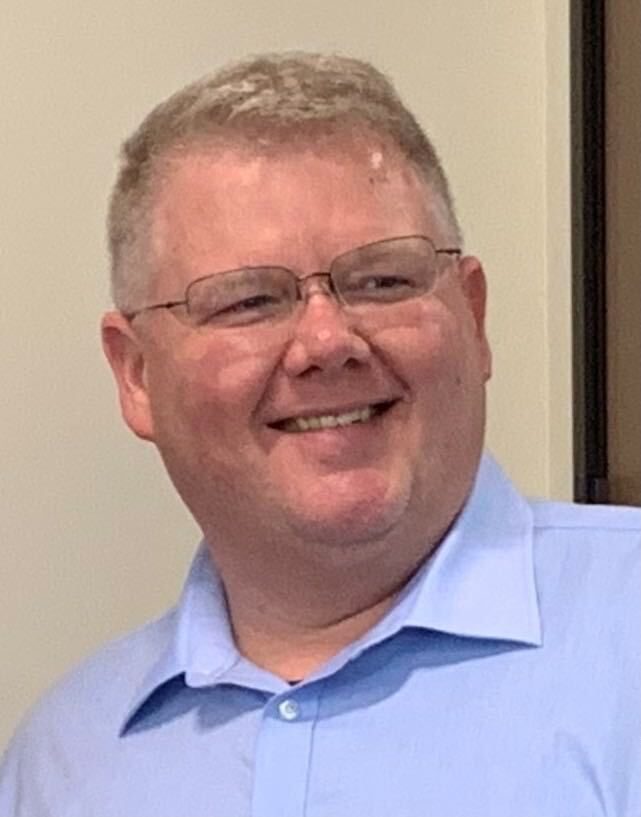
Nathan Wood
Director, Global Technical Presales Cloud and Data Services, Everpure
Continuing from the April Coffee Break theme of looking at practical ways to handle global supply chain availability and pricing challenges, host Andrew Miller invites Nathan Wood (Director for Cloud and Data Services) to the conversation. Getting Nathan’s take is like calling your “prepper friend” for advice on the best generator for your house before a hurricane.
Building off the April Storage as a Service discussion, we’ll take a cloud focus and wander through:
- Cloud dynamics in an era of scarcity, allocation, pricing drama, and more.
- Classic value amplified - call it data reduction or call it FinOps, there’s new value from classic capabilities (especially built in differentiated ways).
- Everpure Cloud design principles - the cloud wasn’t built for certain requirements. That’s why we built Everpure Cloud (and AWS and Azure wanted us to).
- Everpure Cloud updates - not only a name change but additional capabilities since you might have last looked when it was called “Cloud Block Store” or “Pure Storage Cloud.”
Whether you’re a "recovering" storage admin or a platform engineer architecting the future, grab a brew and join the conversation.
Overview of Coffee Break by Everpure. Who knew that the best coffee break conversations would happen online? Each month for the last five years, the Everpure Coffee Break series invites experts in technology and business to chat about the themes driving today’s IT agenda—much more podcast than webinar. This is no training session, either; it’s a freewheeling conversation that’s as fun as it is informative and the perfect way to break up your day. While we’ll wander into Everpure technology, our goal is to educate and entertain rather than sell.
We Also Recommend...
Personalize for Me
My Updates
No updates at this time.