
54:12 Webinar
Ask Us Everything about Pure1® Self-service
This month we’re diving into Pure1®—and how infrastructure teams can use data-driven recommendations and self-service insights to make smarter capacity, subscription, and access decisions.
This webinar first aired on May 1, 2026
The first 5 minute(s) of our recorded Webinars are open; however, if you are enjoying them, we’ll ask for a little information to finish watching.
Click to View Transcript
Hello, everyone, and welcome. This is the, Ask Us Everything from Everpure on Pure1 and self-service. And my name is Kevin Rickson. I am a, a product marketing manager, a director actually, here at, Everpure.
And here with me today are two experts who are gonna walk through all your different questions and give us a really good feed on what self-service is like in Pure1, and especially some of those extra little things that we've added along the way that you may not be aware of. So first off, we have Matt Bradford, who's one of our technical evangelists.
Welcome, Matt. Hey. Thanks, Kevin. I always wanted to say, "Welcome, Matt." I'm sure you never get dad jokes like that, so- That's our time. See ya. Jazz hands. Yep. And also with us is Sean Kennedy, who is a
principal technologist. Welcome, Sean. Morning, everyone, or good afternoon, you're at. Exactly, yeah. Or if you're watching on, you know, replay, as we know a lot of you do on this, then, whatever time you're in is the right time to be thinking about Pure1 and-
Yes, welcome self-service. Yeah. All right. Well, this is all about your questions, but to warm you all up and get you thinking on the topic, Matt and Sean are going to, just kind of level set us. I, I don't know, let's start with the basics. What, what is Pure1? Where does it fit into the Everpure platform?
What are people using it for? What are people relying on it, to help them manage their data? Tag team. I know, I Thunderdome, let's go with Matt. Okay. All right. We're getting our flow down, guys. Yeah. So, you know, Pure1 really started I don't
know, it's been around for quite a while, hasn't it, guys? It's, you know, really started with all of the rich Pure1 data that we've been collecting, from, from the various arrays. And, you know, everybody, every company kind of does that, even, even my cars, right? And, and looking at, like, we're getting so much value out of this stuff, so much good
information, how do we bring this back to the customers? And that's, that's really where Pure1 was born from. You know, rather than going into each individual array and, and managing it, you know, how do we We, we've got all this information, let's give you this kind of top-down view, you know, single place for, look for everything, and that's,
really where Pure1 was born from. And, you know, honestly, I think still don't charge for it either, because it's just there, right? And, and Well, and, and if you think it too, re- like, our foundation is all simplicity, right? It, like, it wasn't just a, you know, we
weren't out to just, you know, build a new storage device and, you know, think we're the new cool kids on the block. It was to truly solve problems. So we did things foundationally that were different, and part of the experience, I think, that we learned very early on is that we needed this sense of self-serve capability of,
a, a global control panel, if you will, right? Where you could see what your fleets are doing, you could see the health, right? Within just a few clicks. And if you think about that, that was kind of a, you know, not the scene, you know, if you're thinking about, you know, 2014, 2015, when Pure1 really came to be.
So there's been a lot of effort in, you know, making sure that we're providing really cool features that we have now in Pure1, but also from a perspective of keeping it as absolutely as simple as possible and in high utility for our customers, and I think that's hugely important. That's such a great point, Sean and Matt. I, I, you know, I've, I, I've been here at Everpure for a minute.
I'm coming up on 10 years, and, you know, having worked in storage before that at a few of the other legacy companies whose colors are blue, we won't mention any names, but I think you nailed it in the sense of that bias towards simplicity meant that, you know, phone home was basically opt out, in a sense, from our FlashArray because we realized, and I knew this at, at one of the other orgs that I was working at, you know, that whole idea of phone
home seemed like, oh, well, you know, and if you enabled this thing, look at all this extra stuff you'd get. It was a design imperative from the that, you know, the, the power of many and being able to diagnose problems and, and provide that out through a UI. But then that also wound up being the sauce of our, you know, world-class support,
is that we were able to spot all these issues before they became something you know, your performance or your availability or whatever. And so Pure1 has just progressed along with that track of, let's make it as simple as possible and let's make it as intelligent as possible too, and that's how we get things like, you know, Pure Fusion and, you know, other fantas- and the things that we're gonna
talk about today, the, the planners know, all sorts of other, intelligent that are built into Pure1. Yeah, and I, I, I think, you know, it's, it, it's a lot more than just metrics delivery, right? And I, and, and I think- Right that's kind of where it started out from, but how do
we enable you to leverage these features? You know, it kind of started with, like, you know, the SafeMode and, and a lot of the things that we're packaging, and now, now we've got, you know, dashboards for looking at, at Fusion and how, how ready are you and, and how well deployed are you across your entire fleet.
So, you know, there, there certainly has been a lot of growth in that area. Again, just get more out of, out of what you've, you've purchased.And so much of it has actually been, in, in feedback that we get from our customers as well, right? And, and not only do they, things that they want, but also things that, you know, just make their lives easier, right?
So, you know, I think you've seen, like i- recent times, we've released things like, you know, being able to, you know, manage your organization now within Pure1, right? That's a big deal. It used to be you had to talk to your SE and stuff like that to, you know, add a user to your org and stuff like that, and we're actually building, you know, a lot of different things within Pure1 that, to further
help make things easier from, you know, a, an orchestration perspective, from a management perspective, and all that. Yeah, that, that's such a great point. I mean, when you think about it, we do have our, Pure Storage education and knowledge peak, which does certifications.
But y- you know, we also enable most of our users to basically be experts out because Pure1, first of a- everything under the covers is so simple, and then your UI into it is Pure1, which also is simple and Right, so it doesn't take y- years of expertise and training and certification just to be able to, yeah, yeah, add users, provision those kind of things. And then, right, it's, it's getting even
easier as we go with, you know, scripting and automatic and, AI enablement and all that other great stuff too. Yeah. Yeah, I mean, we've certainly grown out the, the AI piece of it. I mean, if you've been around Pure Storage for the last year or so, we've been talking about Copilot a lot.
We've also got some, workflow orchestration to use, so you can actually use it as, like, an, you know, automation orchestrator. You know, so yeah- And, and we have an Ask Us Everything coming up soon exactly on workflow automation. Yep. Ex- yeah, exactly.
So, so it's not just a one-way kind of thing of, like, here, we're just gonna information at you. Like, there's a lot of things you can do with it. You know, you, you touched on the organization administration. I mean, you can, do SafeMode administration with it.
Self-service upgrade certainly, right? Would be the most obvious thing with today's theme. There's, yeah, there's, there's a lot you can do with it, um- Yeah, security threat analysis now, right? Yeah. I mean, there's all sorts of, really, really, advantageous features in it now.
Yeah, exactly. Absolutely. Yeah. Well, it Is there anything you wanna show us, to give us an idea of what Pure1 not only looks like, but especially what some of fun extra things are, and then that may, We, we do have one question wanna get to in just a minute, but I- Yeah I wanna make sure you guys have the floor first.
Well, yeah. I mean, certainly. You know, we can, we can dive in a little bit and, you know, show you guys, high level. And, and throw in the chat too if, if you guys are using Pure1 right now, what do you like about it? What, what, you know, what are you using it for? That, that'll help us to really steer this
conversation too as, as the questions But, you know, maybe just to start seeding a couple of things, you know, we can, we can certainly start at, you know, some of the assessments, you know, from a self-service perspective. We've got, you know, this really started with, like, a STaaSessment, but as, you
know, obviously, time has gone on and, you know, customers come to us with new problems, like virtualization, for example. Like, hey, how, how well, how, how well am I utilizing my, my VMware environment? Because we can get some of that information into here. Sustainability was a big thing too, and then of course disaster recovery.
We've got the, Pure Protect, disaster recovery as a service, which is actually kind of b- which is, you know, uses Pure1 as the front end for that, and that is like VMware to AWS, VMware to VMware, disaster recovery, product. But we've also got the security and the data protection assessment, and we split these out into two, because I mean, it might kind of seem like, well, why don't
you just do one assessment? And w- we split it out into two because the security assessment's more like a, you know, your I, I would say more like your physical security for, you know, for your, your office building, right? How are we preventing people from getting in? So looking at, you know, password hygiene, do you have any sort of CVEs?
You know, those types of things. So we give you a security score that you can use to kind of benchmark your progress over time. But then there's the data protection assessment, and that's, that is more about, okay, how do you prevent or, or how do you recover from, you know, accidental deletions
or any, any of the number of things that could possibly go wrong? How are you leveraging our replication and our SafeMode and everything, you know, across all of your arrays? And we can get very granular with that too with, you know, obviously file level and volume level, type of SafeMode as well. So- Yeah, that's a great point, because it is.
It's, it And, and people are starting to recognize more and more now in the security side of things that it's, it's both halves of that equation. What are you doing to keep people out? The, the, the front gate security, as you aptly put it, and then what happens after- Mm-hmm for those things that you can't fully plan for?
We all need to be ready. Our data is our most important, you know, the lifeblood of all of our organizations. That's why all of you opted for Everpure, to entrust your data. So yeah, how quickly can you recover? And then, you know, do you have everything set up right?
Can you, can you model that out? Can you test it- Mm-hmm and do it in a way that doesn't impact, the performance? And that's, that's one of the things the assess- that assessment is really good at. Yeah. Yeah, exactly. You know, there's, there's a lot of other stuff we can do with this too and, you know,
like planning. Y- y- you were talking self-service, like this is kind of one of the, you know, big things that, that a lot of our customers and, and honestly, we use it internally too. Your SE can actually make a recommend you that you can view within Pure1, and you can actually model off of that.
So it's more than just a screenshot or, "Hey, I recommend this," in an email. You can actually play with it here, in Pure1. So-You know, whether we're modeling a, you know, an upgrade for a particular array. So if we've got an array, okay, this not overly utilized, but you know, we've got decent amount of load on it. What if I wanted to upgrade to, you
What's that gonna look like, you know, going from a 50 to a 70? And, you know, we can certainly model out what, like, you know, what do we predict those, those next 30 days look like? Unfortunately this is a fairly flat example here, but you know, if there growth and everything, we're gonna show you how long do you have before you need to
upgrade, whether it's, you know, your controllers or may- maybe it's your capacity. We're, we're looking at those types of things. It also works for subscriptions too, so if you're an Evergreen//One subscriber, you know, we can, make recommendations there so you're, you're hitting that, you know, sweet spot of your, you know, your reserve commitment and, you know, make, make the best use out of that
and make sure you're not over-buying. Yeah, Sean, that, that's, that's a great example. I mean, this, this whole idea of, planning tools built into your management plan, feels pretty unique. I def- I know certainly from my past life, that was not - Oh, yeah anything that was
available without pulling in, you know, the professional services team or something like that. Yeah, I used to be one of the consultants for one of the other companies, right? And, and my specialty was going on site, a full analysis, actually taking a look at what your systems were actually doing, and it would take weeks, right?
So just having the fact that you can go into Pure1, you can go into the planner. And to Matt's point, you know, not only is it like, okay, well, I have a maybe I wanna upgrade that and see what that upgrade might look like, but just in looking at, hey, which systems should I even consider upgrading? Cause you might find that, you know, hey, you know, 70% of my fleet is in tip-top shape, and,
hey, what's this outlier that's at 90% of capacity? Maybe I should pay attention to that one, right? And, and, and giving you that single, view where it You know, with the dots and the little graph and saying, "Hey, you know, you're high on CPU," or, or, you know, load or are you high on capacity, and giving you some of the, the You know, you click on it and you
can say, "Hey, I wanna change this guy from, like, a X50 to a X70 or an X90." It, it just, it, it, it reminds me of the old days of where it just, it was used to be so complicated and Excel spreadsheets everywhere and everything like that. So, that- that's honestly one of the reasons why I came to Pure is that, you know, after coming from enterprises where complexity was just expected, it was just so refreshing to
See- Yeah hey, you know, these big that other companies have, they're not here, right? It's, it's, it's not difficult to upgrade. It's not difficult to find performance heuristics and S- and see what the health is. And, and I think that's, that's hugely important. Well, to your point about spreadsheets too, I mean, yeah, we are taking, you know,
complexity, like Think it, think about, like, projects where you've got a new workload that you need to deploy onto your arrays. Okay, well, if, if, you know, once I know the specs of everything, I can out within Pure1 and say, "What is this look like?" And you can actually start to stack things too, right?
Start to You know, think about how difficult that is in a spreadsheet of- Right okay, well, if I add this workload, well, now that array is gonna be over-provisioned. Now I need to look at a bigger array. And, and that kind of stuff gets very complicated, which you can do very easily here within Pure1, is just stack all of those.
Well, yeah, if you're an Everpure customer, I'm sure you've been hearing a lot lately from us about the Enterprise Data Cloud, and a big part of that is what we call the intelligent control plane. Pure1 is the bedrock of the intelligent control plane. Everything we've been talking about, you know, just, just bears that out.
The try the, the way that we tried to the intelligence into, whether it's, totally under the covers within the Purity OS, or the way it's, you know, you're able to work intelligently with managing your arrays and your data and your workloads and all the different bells and whistles that we've been talking about via Pure1, or really kicking that into high gear with Pure Fusion.
You know, it, it starts with Pure1. I often think You know, we were just kinda talking about how at some of the other orgs you might have to pull in a lot of professional services. Our, our, you know, professional services team is not exactly as lonely as the Maytag repairman used to be in the commercials.
But, you know, it's The whole point is that instead of, just trying to do your basic A, B, and C building blocks that require outside experts or, like we said before, years of experience in the, in the system, we're, we're trying to build all that intelligent in the system. And I work very closely with a lot of our, you know, professional services folks.
They, they add that extra stuff on the top. You know, how can you use and implement and, and expand, what, you need via Everpure, and really that, that extra kick it into high gear as opposed to just the basics. The basics are built in, you know?
And, and then when you can really use the intelligent tools like the assessments, like the planners, yeah, that's, that, that's where it really, is great. I'd, I'd love to know, please, you know, like Matt said in chat, if the planners, whether it be the, you know, that, that, that actual planning tool or any of the assessment tools beyond just what's the health of my, my system from the, from the
basic Pure1 screens, would love to, would love to know. Or if there's a particular question that you have, you know, on, well, what exactly is this thing and how does it work?Yeah, and we do have a couple questions, in the, Q&A. So, Dean, yeah, thanks for the, question on the dark site. We have quite a few of our customers actually that are dark site, right?
So, I, I think, you know, your scenario that you're painting is, is, is not necessarily unique. But it does get a, a little bit interesting in how, how do we further add additional capabilities into dark sites, when we're not actually getting the heuristic information to do the analysis? 'Cause a lot of the stuff that we do is the
analytical processing, right, on the back end to, to make these recommendations. So with dark sites, we have to kind of bias that and say, "Okay, well, how do we do that on-prem when it can't talk outside?" And that gets pretty complicated because, do we do that with a VM? Do we provide you an OVA, and then that is called Pure1 internal?
Well, then how do you manage that? How do you maintain it? How do you upgrade that? How do you provide HA if it goes down, right? It like, all the sudden, like a simple like, oh, we'll have a service on site
pretty complex, right? And at least complex in the terms of what we look at it for. You know, 'cause we don't want you to have to become a custodian of yet That's, that's one of the things that we're always, trying to shoot down. So, you know, can we provide more of the Pure1 experience, within the
arrays themselves, right? Within FlashArray and FlashBlade, and we continuously look at those features and see what we can do with that. The self-service upgrades are, are a component of that. How can we get some intelligence, where you can still do s- self-service upgrades, even
though you're, you're not actually communicating with the outside? And there's also different levels, right? So there's, there's dark sites where the systems may not be able to communicate outside, but you can provide some sort of conduit so you can at least get upgrades and that sort of thing. And then we have other dark sites that are
completely, you know, air gapped dark site. We don't even know about them, right? We just know that, hey, we know we have servers somewhere in case there's a, there's a supportability issue. So there's, there's a lot going on there, Dean. I was just looking at some of our roadmap information.
I don't have any specific dates or anything I can really share here. But we can certainly, if you have, you know, an SC that, you talk to regularly or I can even talk to you afterwards, Dean, and maybe we can get into more conversation about just what options specifically are available to you. We'd love to go further down that road as far as, giving you more information.
Yeah. It's it, it's a very common, you know, question from those who, for whatever reasons or, or policy reasons, do need dark and not connected actively to, you know, the Pure1 servers. But, you know, like you said, Sean, they're We've been doing this for a minute, and there's a lot of different approaches that we can take.
Certainly with some of the large, let's say, three-letter acronym, agencies, at least in the US, that, you there are some things that have been for both support and even Pure1 in some cases, purely air gapped and on site. But yeah, that's, that, that, that's where the conversation, I think, helps. There's another great question.
Will the acquisition of 1touch be implemented into Pure1 functionality? That is an awesome question. A lot of us internally have been asking questions just like that. I would say watch this space. There are certainly The way that I think we And, and if you're not familiar with 1touch,
so this is a, a product and an organization that, we have a letter of intent, to, to acquire, and, things should be moving on that next week. So can't comment too much on it. But I think, during the Pure//Accelerate By the way, I'll, I will put in a quick, plug for Accelerate.
If you haven't already, signed up or registered for our Accelerate conference next month in Las Vegas, definitely should do it. I think there will be a lot more news on that. But I think directionally we can say that, so 1touch is more of the intelligence about your data itself, whereas what Everpure provides is the operational intelligence
about managing your, your, all of your data, making sure it's available and, and performant for all of your applications and needs. What 1touch provides or can provide in the future is much more detail about how the data is structured, how it might be related, and the intersection of those two, that's what we're so excited for, about here, here at Everpure.
And so it would only stand to reason that there would at some point be some conjunction between the operational side and, and that intelligence side, and Pure1 is probably where you'd start seeing some of that stuff. That's, that's as far as I'm willing to go. I don't know, Matt and Sean, if you have any thoughts.
I'm, I'm not taking that any further 'cause, like you said- we're a lot of us internally are still waiting for a lot of, a lot of answers to these questions. I do- But very, very excited, I can say that for, for sure, Sean. Yeah, I was That's exactly what I was gonna say, Kevin, is that I, I think internally we're, we're all really excited about the partnership, a- and, and what it's gonna mean
to our technologies, right? I, I think it's a great synergy as know, having the ability to, to do more with the data, that is on our appliances, right? So whether it's FlashArray or FlashBlade, to be able to have better insights and to be able to take action with those insights I think is hugely important, right?
And that really is where the industry needs to go, too, right? If you think about it, with AI/ML and everything else-Do I get extra credit times this, this time? Y- you know, the I mean, the reality is, is, like, everybody's trying to do more with AI, but the biggest problem with AI is getting the data to the processors, right?
It's getting it to the CPUs and getting it to the GPUs, and you can't just say, "Hey, here's all of my data. What am I gonna do?" 'Cause that can be pretty costly, right? So having the heuristics and saying, you know, where's my old stuff? Where's my new stuff? Where's the stuff that's less important than
the other stuff? Where's my critical stuff? Where's my PII," right? Where, where's the stuff that's HIPAA? Where's, where's the things I should really be concerned with," right? I think is hugely important, and I think 1touch is gonna be able to bring us some of
those characteristics, into our platforms, and that's really exciting. Mm-hmm. Awesome. Fantastic. Yeah, so watch this space. Plenty of fun stuff coming. So Rob has a question, "If there are issues, how does Pure1 connect
technical support, and what visibility do they get?" I'll throw it out to either one of you who wanna jump in on the very unique way that we do this- Yeah and, and how Pure1 is so important to all that. Yeah. I, I'll, I'll, I'll start. You know, we do certainly have case management within, Pure1.
So, you know, for your question about, you know, what visibility do you get during resolution, you know, all of that information is, is available within Pure1. But, you know, w- what how does Pure1 connect with, technical support? I You know, we've got a lot of proactive support that we do in here. That's, that's one of the big things that, that Everpure is known for, is, is solving
those, issues before they become your issues. So, you know, that's, that's- I think the current stat is it's upwards of 70% of- issues are actually detected by that proactive system versus, you know, a customer then seeing a problem and having to report it. So tickets are generated automatically, yeah.
Yeah. Yep. And, and you can see all of that, within Pure1. So, that's, that's, yeah, kind of the best way to, to describe it really. You know, we're This is the tool that we're using for that proactive and, and, you know, if you need us, we're there.
We're available there, available through your account team. If you got anything to add to that but no, just in that, you know, there's a lot of information that you can get for, like, you know, in Pure1 you can see what cases you have, right? You can also see where those alerts are coming from.
So you can see, you know, which, which you know, arrays, are, are having trouble. And I also like to highlight too, it's not just having proactive cases, and we do have quite a few, like you said, Kevin, it is right around the 70 percentile, customer just initiating. It there are calls like, "Hey, we're seeing, like, high retryable rates
on your networks," right? And you may not actually be feeling that pain at all, but we've recognized through our heuristics and the analysis that we do on the back end that, hey, these problems usually don't go away. They usually get worse, right? So let's go ahead and open a case now and say, "Hey, we're seeing something
correctable before your, your end users ever experience it." And I think that's hugely important when it comes to proactive. It's not just proactive in that, hey, you have a drive that failed, and hey, we're gonna replace the drive, right? Which by the way- Right with our direct Flash modules and how they're engineered, you
know, our, our failure rates are about a third of what you would see on, on a, on a classic system. But it's, it's having those additional heuristics along with it, right, that I think is, is, is very important in, in making it ul- ultimately at the end of the day easier for you.
That's such a great point because that, you know, again, haven't been here a minute, it, it wa- it was just it was so hard to understand in, in the beginning, and yet it makes so much sense. This We talked about building simplicity in, but the support model was designed from the very beginning, we need an intelligent front-end tool that rides on top of an already
hyper-intelligent OS for storage that should be connected to a system that gathers all this data, all the heuristics, as you said, and, and then that gets pulled into the support model, and what it winds what we call it is fingerprinting. So once we've identified what the telltale signs, the fingerprints of potential problems are, we make sure that our users are alerted when any of those, you know, early warning
signs start coming up, right, and then tell them what the remediation is so we catch the problem before it becomes a problem, and that's all delivered through Pure1. Yeah. Now, yeah, there's a lot of intelligence behind the scenes that's making that possible, but, you know, as, as far as what, what you're seeing as a, as a user of Everpure, that's, that's
all delivered through Pure1. Yeah. Um- And, a- and kind of take things a step further too, and, and I've kind of jumped out the bit a little bit to show you preview of the, workflow orchestration piece, but, you know, we can deliver those, those alerts where you need to be, and there's a ton of customization that you can do, within here,
outside of, you know, just the cases, but more for, like, the day-to-day kind of stuff. So for example, you know, with, with Workato, I mean, this is If you used any sort of I, I came from VMware, you know, the vRealize team, so, like, automation, any of these sort of, you know, WYSIWYG, automation sort of builders, that's, that's what we have here within Pure1. And, and, and again, like, this is all just part of the Pure1 package that, you know, you
get just by being a loyal Pure, Everpure customer. So, like, do check this stuff out.But, you know, like if we wanted to, we could just do like a, you know, a simple, email notification or we could do Slack. There's, there's hundreds of integrations that we have within the platform here. So, you know, for example, like we've got a, a, a recipe here that, you know, basically is
gonna go out and look at, you know, all of my arrays. Let's figure out, you know- Hey, Matt, did you wanna share that? Did you wanna show that? I, I am show- Yeah. Yeah, so if we can bring that up, please.
Oh, okay. Great. Yeah. I, I wasn't sure. I, I, my view isn't necessarily showing it, so I just wanted to make sure. Same, same here. I just see that I'm sharing, so hope- Okay, great hopefully we're live. Yes.
Yes, yes, yes. Okay. You were sharing. Awesome. Yeah, so, you know, we can, we can go in and, you know, I can either just collect, alerts that are, that are coming in, or I can actually start to build my own of like, hey, we've had this one particular problem. I wanna make sure that, you know, my boss was saying, "This should never happen again." I
wanna make sure that this never happens again. What were some of the precursors? And you can actually build out your own, you know, even your own alerts here like we have with, you know, setting a threshold of, hey, if the read bandwidth is over a, a certain amount for, a particular, you know, amount of time, let me know about that.
Bring me in and, so I can, I can take care of that before my users, you know, start to complain and my boss starts to complain. So there's, there's just a ton of stuff that you can do, within here. I mean, you could even, you know, start to do some self-healing, stuff as well if, if you wanted to go that far with it too.
But, there's a lot of cool recipes, have within here as well that are pre-built. So, like, just go even check this out, play around with it for a, for a bit. It's, it's, it's actually pretty addictive. Okay, y'all have homework now. But it's, it's the fun kind that will help you in the future.
So I, th- there's another question in here, from Joshua, i- that asking, "Is Pure1 Support automatically being upgraded to Everpure?" And making sure that there's not anything else that they would need to pay for. I, I, I'll jump in real quick and just say, of course you're not gonna have to pay for support again, just because we have rebranded the name of the company.
You know, but, you know, again, the way that we do our subscriptions, whether know, you wanna call it support or maintenance or whatever, that's all part of your Evergreen subscription. There's different levels of that. Obviously we're, you know, what we call our Evergreen//Forever is the mainstay when you're
used to the normal way of purchasing, you know, your equipment and running it yourself. That is, you know, there's support lengths that are determined when you purchase and when you renew. Has absolutely nothing to do with, you know And we just keep adding new goodness to that when, when we update Purity and add new capabilities and features into the system
itself, when we upgrade Pure1 and include new capabilities. Those are all included within the software side of that subscription, if you will. And then of course with Evergreen//Forever, it also includes hardware upgrades as you go. The Evermodern, you know, e- every few years upgrade, the anytime upgrades, that we call Everagile.
But then of course the gold standard is being on Evergreen//One, where, we actually manage it for you on an SLA basis, and then you never have to worry about any of that stuff, and we just make sure that it's doing exactly what you need. Any, any thoughts you wanna share on that, gents? I, yeah, no, I mean, that's, that's, that's perfectly said that, you know, again, it's
part of the simplicity of, you know, we're easy to manage, but also- Yeah we're not gonna nickel and dime you, make you keep going back to the well for all these that we're, we're presenting. Yeah, I, I think that's hugely important too, right? It, it's, you know, there's a lot of engineering that's going on in the, you know,
the, the UI and, and all the, the analytics that are going on behind the scenes within Pure1. And, and, and it's, all of it is with intent, right? One of the things that we've found is we give better information to our customers and give them conveniences, they're more apt to buy, right?
And if you look at just what our trajectory has been in the industry, you know, I've been here for almost five years. We've doubled in size in that time, right? We've doubled in size. And, you know, the other storage companies out there, you know, they're just to kind of keep status quo, right?
And I think, I think that really is in a testament of, of the engineering efforts that we put into our technologies, and the intent, right? And it's not just like, "Hey, we're gonna throw a feature at you." It's like, "We're gonna, we're gonna release features that really make sense." And sometimes you'll see we'll release, technologies that might sound familiar to what others are doing
know, we, we try to do it in a different sense to make it ultimately easier for you as a customer. So, lots to come. I, I know that there was a question about, upgrades, self-service upgrades and that sort of thing, for FlashBlade.
That I know is being actively worked on, so I'm really anxious and hopeful that we'll have some announcements here soon on that. I can't get into specifics naturally, but, yeah, I, I, I think we're gonna see something, pretty exciting here pretty soon about it. Fantastic. Yeah, and I, I, I think you summed it up
really well that it, it Every company is always gonna say, "Hey, we really value our customers." But, you know, it's been to me through all the years that I've been here, it was super obvious when I first got here, coming from where I'd come from, how important customers are to us, and that, that's the funnest part of my job currently. It is exactly this, talking to our existing customers and helping them
understand-You know, "Hey, look at all fantastic things we've got in the platform that you might not have tried yet." You know, it's not about wringing the last dollars and cents out, it's about here's more problems that you might be able to solve if, if you just unchain yourself, if you're available to and open to not having to be tied to those legacy systems forever.
Because not only is the capability there, but yeah, that, that simplicity, I mean, it, we It might take us a little longer to get out one particular feature because, you co-founder, John Colgrove, Coz, as we him and love him, you know, his mantra always been, "We're not going to drop a feature on our customer base just to over-complex things and break things just to say that we have it." It has to be, you know,
bulletproof and with that entire simplicity model in place. And that, you know, and, and yet here we are blazing trails with Pure1 doing things that no other management tool can do, certainly not as integrated into the system as it can be. Yeah, it's, it's, it's fun stuff. I geek out over it all the time.
That's why I love talking to other geeks like Matt and John. There is, there is definitely a geek level. I mean, if, if, if, if anyone ever has the pleasure of meeting Coz, I mean, he is an engineer through and through, right? And yes, he's our chief visionary officer, and he is well steeped in, you know, our
operations as a company, and I, I think that's very fortunate, right? The heart and soul of this engineering prowess that we have is at the top, right? And, and I think it's a very special thing. Yeah, for sure. All right. Well, gosh, I think we've blown through just about all the co- all the Oh, good, just in
the nick of time, Seth comes in- Whoa with a question. Is there anything in the works for getting insight into VMware environments without being needed to, deploy to the OVA?" And it sounds like both of you have some ex- experience in that, so John, you wanna jump in? Yeah, absolutely. So the A- OVA you're referring to is the
VMware analytics that we have, right? Which is an engine where, basically it, it interrogates VMware and all of its heuristic statistics, and then we can give you an end-to-end view of not only just what the storage is doing, but we can actually see all the way through, right? We can see the latencies within the network or the SAN that you're using.
We can see what the VMs are doing, right? Is there latency at the VM level? Is there, you know, contention with CPU at the VM level, and that sort of thing. So I, I think there's still a, a, a large need for those type of heuristics. But to go, to your, question, Seth, and this actually kind of touches on the 1touch
acquisition, right? We're actively looking into doing more intelligent things with, being able to kind of crack open LUNs and, and volumes and say, "Hey, we're actually seeing that, like, hey, this looks like it's a data store." Well, if it's a data store, right, can we glean more insights and provide more insights to you for that data store?
So, or if, you know, are they VVols, or if it's, you know, a database, you know, can we, can we look at some of the structures "Hey, not only is this a database, but a database that has these databases on it," right? And so instead of, instead of looking at it from the optics of, hey, I have to dig into my application and my application owners to, to see any visibility in what they're doing,
maybe there's some insights that we can glean from a perspective of, hey, from the system that's actually storing the data, you can it say, "Hey, you know, we have a of, you know, SQL databases, and here's, here's the databases that it's running." And, and, and it's also a lot of engineering effort where we're also very much a company, right? So, you know, one of the first things I think
of, in, in, in some of this, stuff is that, well, how are we gonna protect this data as well, right? And if, if we're gonna start gleaning further into, the, the volumes that we're storing and the file systems that we're storing, how do we present that back, and, and what does that information entail? And, you know, what is, what is PII?
What needs to be handled with kid gloves, right? There might be information that, you know, a, a, a storage admin in your company shouldn't have access to, right? So, so a, a part of this is not just the ability to do it, but how do we do such a way where, you know, it doesn't cause security problems, right?
Cause that would be kind of the opposite of like, hey, we got this new feature, but it kind of blows a huge security hole in your, in your environment. So we're looking at all of those factors as well, and I think there's much more to come on that front. And I think that's really where the future is, and that's one of the reasons why 1touch was acquired, right, is, is we fully
acknowledge that, you know, the AI/ML and being able to have these algorithms that can do some of these DeepReduce searches and stuff are very, very important. So, yeah, and- Yeah and again, this is all gonna be in Pure1 and in the systems themselves and all that sort of stuff, so exciting. Yeah, I mean, there, there's the 1touch side of it, but then there's also, the data
intelligence that we just released as well. So, you know, it doesn't go quite to the, the level that, that 1touch would, but what we can do is actually, you know, parse o- on the array itself, look at what the data is, and start to understand, you know, what, what volumes or, or, you know, w- where my applications live.
So, you know, are we hosting a, a SQL Database or, or Oracle Database or, And, doing all of that on the array, that Pure1 could also give you some insights into as well. So if you didn't wanna go into that, you know, file level introspection, like, all we're doing is looking at the, metadata on the, on the array, um-You know, in- in- instead of going in and looking for, PII or, you know, credit card numbers or, or things
So, that's kind of a, you know, sort of a lighter touch version of it, and it'll also give you some in- insights into, like the file systems that are in use. So, hey, is this Nutanix? Is this, you know, running on VMware? Is it a Vvol? You know, so there's, there's a ton of
additional information you can get in there, out of there, even while we're waiting for this 1touch integration that, you know, is, is, is coming down the pike. Well, and Matt, you, you really hit it too. Like, there, there's a lot of, there's a lot of things that we're trying to, to implement, right? Just to make it easier.
Like for instance, like a data store in, in VMware. Like, if you have a data store in VMware, to chase it down and figure out what array it's actually sitting on can be a real challenge, right? Like, just, you know, it- it's on, you know, these NICs, or it's on these HPAs, and where are they zoned? You know, we don't even know.
And then it's like you figure out, okay, which storage systems are attached to it, okay, what's the serial number of this server and serial number of that storage system? Having, having the ability of saying, hey, you know, we're looking at it from our side and say, hey, if we can crack open and say, "Hey, this looks like it's a data store. Here's the idea of that data store.
Is that useful," right? And I think looking in those terms to ultimately make it easier, to manage, I th- I, I think is very important, so. And I, I'm just- Yeah you, you can tell I'm pretty excited about it. You, you're bringing back old memories too of, you know- you know, VMware admin of, okay, you
know, going from the VMDK to the array and everything, and just having so many windows open, and just how, how chaotic that, that was, and just having all of that within here. All the layers, yeah. Yeah. I wish I had that. Well, I, you know, kind of along there was a question from, David.
We've been using Pure1 for many years now, looking to add file and object storage. I assume integration will be included in our current Pure1 instance?" So we were talking about, look, this works with all the kinds of, you know, data and, and, and workloads and, and gives you that, you know, central view. So I assume the answer is yes, but I want to- Mm-hmm Matt, why don't you jump in?
Yeah, yeah. We, we do give you, insights on that. We can and we can even break it down by, you know, protocol too, SMB, NFS, all of that. So yeah, you will, you will definitely get some, get a lot of value out of Pure1, once you, once you flip that switch and turn on that file and object. And, and something to just kind of highlight as well too, to Dave's question is that, you
know, we're talking about Pure1 and, and, its capabilities about what it can do against a fleet. But at the same time, even our individual systems, you know, like FlashArray for example, FlashArray was only block for the longest time, right? Yeah. And then, I don't know, four years ago or something, we introduced, you know, enterprise
file, at least its early stages, and it's really a great technology. And it's, it's a first-class citizen of the, of the array, right? It's like you can use block, you can use file. You don't have to choose. You don't have to pre-allocate. You don't have to like, you know, construct the, the, you know, file
server version, right? It just, it is part of the system. And then of course Pure1 can give you, the reporting, like Matt said, against what those systems are doing, so that's all great. But, you know, file, capabilities was one of those features that we added.
Again, it wasn't licensed. It wasn't something you had to buy. If you already had a FlashArray, you just got it. Um- Yeah we're releasing object on FlashArray. Same sort of deal, right?
FlashArray didn't have object. You could only use it with FlashBlade. You know, I, I think we're, like, literally releasing that right now, so much more to come on that. But, you know, I think that's part of the, the pedigree that we have is that we keep wanting to release additional features and
technologies for our customers, e- especially from feedback, and that was one of the big feedbacks, right? Was, you know, we kind of thought, well, object is, you know, archival type storage, big storage, that sort of thing. FlashBlade does a great job on it, but we had a lot of customers that on our FlashArray, that'd be fantastic." And so, adding these additional features and then
supplementing Pure1 with the heuristics and the intelligence about how those features are running, I, I think is great. Yeah, and I, I again, it, it just fits that whole mantra of, yeah, we might have been a little later than some of our legacy competitors to the game of file and object mixed with block and unified storage, but it was because we were trying
to do it the right way. And we've had that feedback from our customers that, "Oh my gosh, managing simple as y- you know, managing block on Pure. This is a game changer." You know, with, the, data mobility, being able to move it everywhere and not having, you know, these, these lock rigid structures and stuff, and,
and Pure1 is just an extension of that because that's, that's how you're doing it. And then Fusion on top of that, the that you can move stuff around, you know, using, using workload, rebalancing and all that fun stuff, all that great stuff that's coming, and I love that you gave the shout-out to object 'cause I'm getting over that one. That really gets my geek side going for
unified storage. That's great. Well, there's, Anything, Matt, did you want to add anything else on that? No, no. N- um- Okay I'll kind of move on to, like, Jo- got a question here from John too about, you know, integration- Perfect with HyperV. Um- Great minds. Yeah.
Great question. Honestly, the n- the answer is no, we, we don't have the same sort of integration with HyperV and, you know, in part we're us and, like, the rest of the world, we're kind of waiting to see, like, who emerges as, as the new VMware, you know, to be perfectly honest. So-Um, you know, we're kind of waiting where the markets go on that and where,
we should be investing, you know, those resources in, in our focus. So, hey, throw in the chat, like, where are you guys headed? What, what, what's, what's your thoughts on, on all of this? Are you gonna be sticking with VMware? Are you gonna be looking at, other providers?
Love to know. So yeah, more to come on that for sure. I mean, it's, it's a powerful thing that, that we've got in there. Would love to see it expanded a lot more. Yeah. Well, and even to pull on that thread just a little bit too, Matt, I mean, our with Microsoft is really strong, right?
So, you know, we're doing an awful lot with Azure, and which, you know, foundationally Azure is a whole lot of Hyper-V, right? So there's a lot of excite- exciting stuff going on from like Azure local, right? And, and being able to do more, with data and performantly with data, whether that be on-prem or on the cloud.
So there's, there's a lot of stuff, in that space. And so yeah, great question. Yeah. Yeah, and shout out to Proxmox too. I mean, I run that in my lab. I, yeah, it's, it's a good contender, so. Yeah. Or whether it's- Yeah you know, heading to,
you know, Kubernetes stuff and modern virt, there's, right, there's just It, it's opened up this whole diaspora of different, different possibilities for folks. So yeah, please, like Joshua and, and, and folks have been doing, please share in chat where you're headed. Yeah. That always helps us. A- and, and I mean, that's the sentiment, you know, Joshua, what you threw in the chat there,
like who knows where we'll go. Like, that's the sentiment we, we hear. Right. If only we had a crystal ball and we knew what the answer was, right? Make things a lot easier. All right. Well, we had another question from David
around, reporting changes. I thought I saw someone in the background answering that, but, I don't know if you guys wanna address that. Yeah. I mean, trying, trying to There's a couple different ways we could answer that.
And, and we do have KP on here too, who's one of our, product managers. So KP, feel free to chime in too 'cause you, you've got all the latest. Actually, hey, there you are. Do you wanna, do you wanna take a stab at that one? Sorry, I didn't quite get the question.
No. Are there any reporting changes to Pure1? Yes. So we keep adding new reports to Pure1 and enhancing the existing ones, so we have added some new capacity metrics. We are in the process of dating some subscription related changes to Pure1. And, you know, the latest Pure IAM changes.
So as you know today, reporting center is sitting outside the org level visibility that you see on Pure1, web. So that is already supported. So those are some exciting changes that we made to reporting center and more are to come in near future. Great.
Thanks, KP. Yeah. Glad we called that guy. Appreciate it. Right? Thanks. All right, we finally used the phone a friend- Yeah. And God, just in the nick of time.
All right. Well, that's fantastic. Well, guys, this, this has been a super informative, really fun, session. Oh yeah, shout out to our raffle winners. We did have, three folks get their lucky names drawn, so that's Alexander W, David N, and Joshua B. Imagine that, some of the folks that were
interactive with us today. Congratulations. We'll be following up with you on the prize. And again, remember that Accelerate is coming up really fast. It is the place to not only get the latest and greatest on Everpure and all these fantastic capabilities that we've been talking about.
It's about meeting with your peers. It's the exact kind of stuff that was happening here in the chat, where you can ask your tough questions, and not only Everpure, but your own, you know, peers out there, fellow, fellow customers and users are to help provide you support and answers you know, little hints and tricks that you never even thought of before.
But that is the place to be next month, in Ve- God, we're already in May. Can you believe it? We're in May. Crazy. This year is just flying by. Well, I wanna thank everyone who attended today, and especially our panelists, our special guest, KP, thanks for jumping at the last minute, and, for sure, Matt and Sean,
it's been a real pleasure. Hope that we can do this again soon. We do have other Ask Us Everything scheduled. The next one, just before, Accelerate, is gonna be focused on, once again, Purity upgrades, how you can very, you know, easily and non-disruptively and even through a
self-service, get yourself on the latest version of Purity so you can take advan all of these fantastic capabilities that we've been talking about. So, watch for that, and we thank you all so much for your time today, and have a great day. Bye, all. Yeah. Thanks, everyone. Thanks, everyone. Thank you.

Kevin Rickson
Product Marketing Director, Everpure

Sean Kennedy
Principal Technologist, Everpure
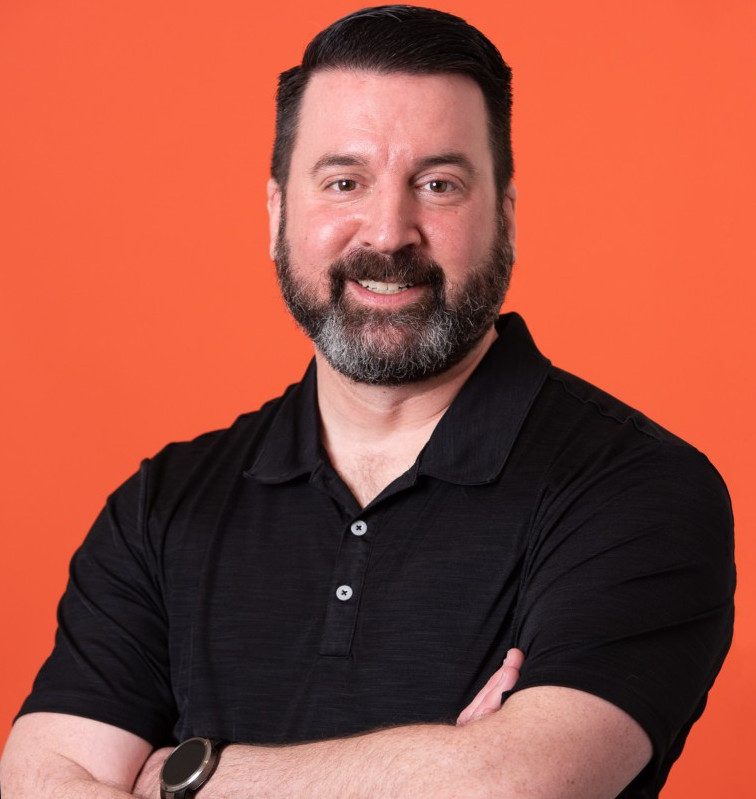
Matt Bradford
Technical Evangelist Director, Everpure
Got questions about how to get more from Pure1? Get answers.
This month we’re diving into Pure1®—and how infrastructure teams can use data-driven recommendations and self-service insights to make smarter capacity, subscription, and access decisions.
As environments scale across arrays and teams, operators need more than monitoring—they need proactive planning, targeted insights, and centralized access control.
You’ll get an overview of how Pure1 helps you:
- Support self-service capacity and subscription planning with Planner insights
- Identify risk, health, and optimization opportunities across your fleet
- Monitor anomalies with proactive, prioritized recommendations
- Centralize access with IAM and SSO while maintaining the right level of control
We Also Recommend...
Personalize for Me
My Updates
No updates at this time.