55:33 Webinar
Everpure Cloud: Building an Efficient Storage Platform in Microsoft Azure
Join us to learn how to easily scale demanding, storage-heavy workloads without sacrificing data requirements or budget.
This webinar first aired on 17 September 2026
The first 5 minute(s) of our recorded Webinars are open; however, if you are enjoying them, we’ll ask for a little information to finish watching.
Click to View Transcript
Hello everybody, and happy Thursday. And welcome-- Oh, God. Excuse me. Welcome to another edition of Everpure Tech Talks. Per usual, I am your host, Jason Langer, but all my friends just call me Langer.
Where we try to cover a technical topic in 55 minutes or less, but of course try to have a little fun along the way. I'd like to remind you that we do have a chat window and a Q&A panel, so please if during the presentation any questions or comments come up, please leverage them, throw them into the chat. If you get them in the Q&A panel, we will do
our best to make sure we either answer them live during the presentation, throughout the presentation, or we can wait till the end and answer them there as well. And lastly, we do have a raffle, I believe. Producer Laura, correct? You may put that in the chat. So if you're interested in winning that, you
do need to stick around to the end of the episode or, or maybe within five minutes of the end of the episode to see if you have won that. So, with all that out of the way, let's get started, and thank you again for all joining. And today we're gonna be discussing building an efficient storage platform in Microsoft Azure.
Yes, we do support the cloud. And to help me with that topic, I've got two fabulous speakers today. I've got my dear friend Michelle Berry, and my almost dear friend Nick S-Scula. Scula? Scola. Scola. So thank you all for both-- for-- Thank you,
both of you joining. We've got some first-timers on the call, so this is the, I think, the, the first appearance for each of them on a Tech Talk. So with that, Michelle, we'll start off. Why don't you just give a brief introduction to those at home that might be paying attention, and give them a little, little bit about yourself.
Sure. Thanks, Jason. I am a senior product marketing manager, and I'm focused on cloud solutions here at Everpure. So I spend my time researching where the market's heading, hearing what customers need from their data platforms, and specifically related to public cloud storage, more
specifically Azure. Perfect. Awesome. Love me some Microsoft, but being up here in the Pacific Northwest. How about you, Nick? So hey, everyone, Nick Scola. I am a principal cloud technical specialist here at Everpure.
I am also, not just a, you know, technical specialist, but I wa-I was formerly a client. So, I, I used the product for, many years back in the day, and, really excited to be here and talk to you about all things, Everpure Cloud. Yeah, that's awesome. What, what is our, what was it? The men's warehouse?
I'm not just a- Hair, Hair Club for Men. Yeah, yeah. Yeah. I'm not just the president- Yeah I'm also a client as well. Yeah, yeah. All right, I'm dating myself for those- Throwback.
Throwback right there. Yeah, but I don't know if my people might be getting that. And obviously, Nick, 'cause look like you and I are both some, Lego enthusiasts, so that is amazing as well. Yeah. Well let's just, let's talk about it. Why does this matter now?
And I'll turn it over to Nick and Michelle to get us started on that. I mean, honestly, let's, let's think about what's going on in the world right now, right? There's a ton of change happening, when we look at the landscape of organizations. Oops. You have a number of challenges being faced by, you know, customers, whether it's licensing changes that they weren't expecting, whether
it's, that, what's it called? AI or something like that I keep hearing, right? Yeah. Yeah. That, that keeps coming up. You know, there, there's things that are happening all over the place that are really, you know, affecting the market.
But I mean, Michelle, what, w-what are you hearing? What are you seeing? And, you know, what are your thoughts as far as what's going on? Yeah. Same thing. The AI thing, that's real and, and it's happening. It's top of mind for everyone but, you know, AI's expensive.
And so, you know, but what's happening now is people are wanting to move to the cloud, but, you know, they're, they're going over budget and their, their migrations are delayed. So, you know, they, they budget using assumptions, but cloud storage comes with a lot of hidden costs and those things aren't taken into consideration when, you know, capacity's being purchased.
So a lot of factors weigh into this and contribute to these numbers that you see on the screen. Yeah, these are, you know, these are crazy. Like 75% over budget, you know, over a third, 38% are delayed. 100 billion. I mean, I wouldn't mind having 100 billion in wasted spend. Yeah.
I mean, that, I see these numbers and that's, that's crazy. And it's funny 'cause you-- I-- we just did a Tech Talk a few weeks ago, Michelle, about sizing for databases, and it's like one thing that is always true, it's-- And I was not only just a, a client, I'm one of the president as well, Nick. Back in the day I was a customer.
You know, I used to hate when my boss would come to me and be like, "Hey, how much storage do you think you need for the next three years? 'Cause we're gonna be doing a budget." And it's just like, I, pff, I don't know. All of it? Because, you know, nobody de-nobody deletes anything, nobody get rids of anything, and it just keeps to grow.
And then of course, you're always expected, like, I don't know what everybody else's projects, projects are. So I see this and I see the over budget and the delays. You know, if, if anybody in chat, it'd be interesting if this kind of aligns with your experience as well because, I mean, we see this and we get this information from industry
analysts as well. Nick, you probably see this from talking from customers. But I mean, those are just striking numbers. So where does Everpure come in, right? Like, how do we come in and make this slide look better or maybe at
least completely go away? Yeah, exactly, and, and that's what we're gonna talk about throughout this. And, like Jason said, put any questions you have about this. But basically, you know, what Everpure does is we're gonna offer a consistent way to manage your data across edge, on-prem, public cloud, and give you the same data services and
policies and operational model that you would get with your on-premises storage. So this is really, you know, all thanks to our Purity, Purity operating system, which runs the same way no matter where your data resides. Yeah, and that, that's a key differentiator for us, obviously, is, you know, we might have existing customers on the call or we have people that are, you know, researching us.
Yeah. You're gonna hear that word come up a couple times. You're gonna hear the word Purity. Purity is our operating environment, just to be kinda call it a It's the, it's the brains behind our operation when it comes to our cloud solutions as well as our on-prem storage arrays.
And the fact that it, it's the same operating environment across either physical or in the cloud, so, like, the commands and everything in interfaces you know on-prem, for those that might be using us now or looking into us, would be the same if you're running us in the cloud. So there's no, like, oh, this console looks different between these two scenarios, which is awesome.
Nick, you know, as your says here the- Oh, sorry. I'm on the wrong slide. I so apologize . I got too many screens here. So Nick, tell me about, like, where, where are you seeing this coming in for customers as far as, like, this, this unified data experience, and what is, what is it bringing for folks to
help solve those problems that we talked about on the previous slide? You know, I, I think the biggest thing, you, you guys kinda hit on it. It's that uniformity, right? They're used to doing things a certain way in the data center. The cloud is a completely different animal from, you know, just the
operating model, right? It's more of a you pay for what you provision versus what you actually own and what you're using. And I think the, the biggest difference that folks need to get adjusted to is the, they don't have that same kinda over-subscription that they were used to, right? Where I can go and provision these giant boxes
with all this extra storage that I, I might not need today, but at some point down the road I may, I may want that. They have to go and now really hone in on exactly what the sizing should be, or they're gonna wind up paying extra like that, you know, the previous slide. And I think that's the, the thing that most customers when they're first moving into the
cloud really have to adjust to. The fact that we can give them that same experience from the data center directly into the cloud, as you mentioned, they don't have to go and change runbooks. They don't have to go and change the way that they go through their, you know, procedures. That is a huge time-saver, especially for folks that are being voluntold to go to the
cloud, right? Right. Where they, they've got a new CIO that says, "Hey, we're, we're going. Come, come join us," right? And for those folks, having the ability to buy some time, right, to learn what that new normal's gonna be is really helpful.
Yeah. Yeah, the, the I don't have to be trained on something new or learn something new. I mean, we all I- I've historically always called it the IT light model. Nobody says do less with more. It's usually the opposite of that, right? Exactly.
So any times you can, you know, you can do that, that's great. Which brings us to why we're here as well, is 'cause we're here to talk about Azure. So how does that relate to Everpure Cloud with Azure Native? So there's, there's a, a ton of, I'd say work that's been done by this team to really take what we do and at the core of what Everpure has done for, you know, 15 years now,
it's been taking something that's really difficult and making it easy. And this is really the evolution of that, right? Purity under the hood, like, all the goodness, the secret sauce, that's all the same. And we, we've done our best because that was built really well from the start. And now we're extending it into the cloud.
So really all the, the goodness that our customers know from a data reduction perspective, right? From a how do I move things quickly, giving customers now another option in the public cloud that they didn't have before, is really starting to show its value because we have customers that run a lot of different ways, right? Whether it's I'm running as a Azure Native
virtual machine, I wanna continue using VMware for a period of time until I decide that I wanna migrate off of it onto another platform such as, you know, Containers or OpenShift or, you know, one of those things. There, there's options available going to the cloud, but sometimes they need time to get there, and Everpure is really focused on let me make this easy so that you can really make the right decision, not just short-term but
long-term as well. Yeah, and I see some stuff on here, Michelle, I, I see a lot of acronyms and I see marketplace transactable and fully MAC-eligible , which is feels like a mouthful. You know, tell me, you know, if I'm a customer, whether, you know, on outside looking in, like, what, what does that mean to me and what's the value in that?
Yeah, definitely. So if you're an Azure customer, you maybe know what MAC means, you maybe don't. It's your, Microsoft Commitment Agreement. So, commercially our, this product is fully transactable in marketplace. It's Azure Native, so, just go in a- and purchase it, through the Azure portal.
But it's also fully MAC eligible, which means it draws down from the commitment that your customer already has- Oh to spend with Microsoft. So that's gonna free up budget that you would ultimately spend on storage. You could buy something else from Microsoft. You could buy something else in Azure and use that money, you know, towards something other
than the storage. So that's what that means and, and it's important to Azure customers with, with these types of agreements. I know not all of them have 'em, but, but many of them do. So it's basically I've got a big bucket of- Yeah I'm gonna use the word credit, which maybe is not the right term, right?
Everybody's or tokens or whatever. I mean, and we live in token world with AI these days. Yeah, we do. But it's like a burn down is what you're telling me. It's like you consume it- Exactly and you just, you grab from this bucket.
Yeah. Take from Peter to pay Paul kinda thing. Yeah, if you think about a bank account, right? You know, how do you wanna spend it? Do you wanna, do you wanna spend most of it on, on too much storage, or, or do you wanna cut back on that and use it for something that, that you actually, that's exciting and
innovating like, you know, AI? Right . It's like cancel. It's so hot right now. Yeah, yeah. Please don't say checking account 'cause I used to be a bank teller- Totally trending and, yeah, don't say checking account 'cause I used to have, worked as a bank teller and I used to
have people come in and be like, "Can you help me balance my checkbook?" I'm like, "Oh, no. God." Yes, I can. The ledger. But- Yeah, those ledgers. Yeah, that's, that's crazy. So- But let's dive a little bit more.
We're using the term native a lot. We used it on the title screen, but, you know, Nick, let's, let's kinda dig into that a little more if you don't mind. Like, what does that actually mean? Right. So the, the way I look at this, there's a way of providing storage which every cloud provider has today, right?
For, for Azure, we're talking Azure manage this, right? Where that's gonna provide you block storage to your workloads, whether they're a virtual machine, whether they're a container, whether they're, you know, a PAS service behind the scenes where you have block storage, right? Our goal is to give you the ability to have a choice, right?
Everpure Cloud really does that, and we give you our best in breed storage across any of those, you know, workload types that you can see here on the screen, whether it's those VMs, VM solution, or now introducing, you know, this might be new to some folks, Red Hat OpenShift. So I think the goal is really give you choices in
how you deliver your storage, but not only that, give you some benefits that you didn't have, right? We, we touched on the cost savings a little bit, right? Where you're, you're paying a lot for storage. Do you have to, right? A lot of folks don't realize that when you provision storage in the cloud, you pay for
what you provision, not what you consume. So if I've got, let's say, a, you know, a one terabyte drive somewhere, and I'm only using 50 gigs of it, I'm still paying for a terabyte. And the same thing comes from a performance standpoint, right? If I have a database server that I need to go a little bit faster, I have to turn a nerd
knob somewhere and say, "Hey, I want this server to go a little bit faster," right? And I'm gonna pay for every single time I make a change, I pay for that. And the other piece of that is that you only get the benefit on that one machine, right? What happens to the rest of the environment? So think about what if we took all the goodness that we provide in the data center to
our customers, and we were able to actually bring that to the cloud as well, and this is 100% software-based, which makes it, even better. So you can actually just go into the marketplace, say, "Oh look, I want the Everpure offering. You tell us how much capacity you want, you tell us how fast you want it to go, and within
minutes you're gonna have storage provided to you with all the benefits that we just discussed. But how come there's never nerd levers? I don't know. P- p- It's always knobs knob, knobs are just- I mean- They, they're the thing. I mean, people really enjoy the, enjoy the knobs, right? I want the- And- 'Cause when I turn my power
full max, you know, I wanna go, you know, I'm pull- I'm pushing that lever forward. Turn to 11, baby. Let's go. That's right. So obviously we've talked about the, we talk about these credits and, you know, burn down what you want. But it's the you're getting some dynamic storage provisioning that's different than
traditionally on-prem storage, right? Normally you buy an array, it's a fixed size. You've got that much storage until you go buy a next shelf or an add-on and then, you know, you've got perform- the performance is contained. But obviously we've, we're obviously adding, 'cause it is the cloud, it is on demand,
there's additional flexibility there, and that's kind of what I'm assuming you're gonna get to on this slide. Yep. So, the thing here to really take note of is the fact that we're not dropping a physical array into the cloud, right? We're, we're leveraging the infrastructure that's already there, and we're taking
advantage of our software. And what that allows us to do is really be flexible in how we deploy. So, you know, the, the cloud's definitely carved up a little differently, and we'll, we'll touch on this a little bit later as well. But instead of having to go and, you know, make those individual changes, which a lot of
folks are doing today, and, you know, there's ways to automate it, but it can still be something that you have to manage, right? You have to go- Yeah and take care of it. What if you didn't have to, right? And I think that's really where our goal as a company has, has been.
And part of the reason why, you know, we changed our name from Pure Storage to Everpure- Yep is that we wanna help you focus more on your data and your applications and the things that actually matter versus keeping the lights on for your infrastructure, right? Let us handle that for you, and then we'll give you all those benefits, that we touched on a little bit earlier. And it's actually, as a s- long time storage
guy with knobs and levers- it's kind of a hard thing for me to abstract 'cause normally I bought both together. Right. I didn't, I didn't Nobody came to w- u- usually I bought both together. I mean, I mean, sometimes I built, like I just need the very fast array for these databases.
But- Yeah holistically, you kinda look at these as jointly put together, not an and/or- Right, and I- as you do right now in the cloud. It, it's such a, it's such a different dynamic, and it's funny because I mentioned I was a really early customer of Everpure, and then I started using the cloud and I went away from, you know, at the time, Pure Storage for a while.
And when I saw that there was a cloud offering, I was like, "Oh, this is a perfect fit for me," 'cause I understand, you know, all those benefits and then was able to, you know, achieve it in my own, private cloud. But now it's taken that same really the, just the goodness and bringing it to the public cloud here and giving customers, like I said, the option.
And, you know, I always look at the, the little, little tasks that admins have to do on a daily basis, right? Like I've got a, a server that I need to create a clone of, right? How long does that take? It, it might s- in certain cases be a really quick operation, I could do it in a few minutes, but what happens when I have a really big database server that I need a copy of for
dev, right? And- Yeah I go to clone it and it takes me a few hours, right? Well, what if it didn't? And what if it could take seconds and you can go, you know, do some AI stuff or watch some YouTube videos or, you know, whatever your is that- Right you know, we're doing when we're working, right? But we wanna give you that, that kinda control
that you had previously, give it back to you. Yeah. No, the, it's, it'll probably take longer to do the clicks than for the clone operation- Exactly to actually, to actually take place, which is, which is kinda crazy. But with all the ways of, of buying capacity or performance one or the other-
We've got cost savings there because I'm not potentially buying both, but obviously there's other things that we do within Purity that if you're, again, if you're an existing customer, you see on-prem, that we're delivering in the cloud that maybe the native, sorry I'm using that word again, but the native solutions for storage might not offer. And I'm assuming, you know, like obviously- Yeah we talk about our
industry-leading data reduction. Yeah. You know, the native or, or default cloud storage, you know, what- whatever you're using. And, and this is a customer example, and I'm in marketing, so I love customer examples. If you look at this, the 5:1 data reduction to the cloud, that's, that's our industry average.
So, you could get more, you could get less. You know, some customers, they hit 18:1. We have one customer I think that hit 22:1. You know, I'm, I'm saying that's an outlier case, but obviously, you know, if you have- Yeah, your mileage may vary, you know. Yeah.
Your mi- That's exactly what I should, I should caveat it with. But, that's typical, though. I mean, and it comes from, you know, things working together, which you see on the right-hand side of the slide, that, like I said, default doesn't offer. Then provisioning, deduplication, compression.
You also get your snapshots. So, so you're really like you're storing five times what you could, you know, with this. And, and this particular customer, you know, they saved $10 million and, and that, that's over the course of their contract. But, but that could be huge for, for depending on the size of your organization.
Right. I mean, I'd take $1 million. So yeah, I mean, it's not only just the data reduction, I mean, just the f- those translate to actual budget savings, right? Every Again, going back to my do more with less, you know, mantra. You know, if you are using the native solutions, you know, for your storage, you
might not be getting the most value out of those, out of your dollars, and this is something that we have proven time and time again. Obviously, again, we kind of go by 5 to 1. But we do, you That does not mean that's what you're limited to, of course. In Michelle's example of somebody getting 20, whatever you said, 22:1 or whatever, which,
which, which just boggles my mind. That's, that's, that's a lot. That's crazy. Yeah. All right. Yeah, and even, even with this, Jason, you know, it Cost savings isn't the only benefit, right?
You know, if, if you're, if you're not carrying a budget or you're not worried about your budget, even so, you know, you still get, like Nick was talking about earlier, the Purity operating experience, so. Right. You know, you're making your boss happy, but, but you're also enjoying, you know, the customer experience that you get with that repair.
Yeah, and one thing, like that's a, you know, Michelle, you called something out that I don't think I mentioned or we've mentioned before. When we, again, when we talk about the Purity, you know, we're focused on performance and, you know, data reduction in the cloud. But the things you also get, again, for existing customers or folks that might be
doing a little research, you get all of our built-in, you know, security features. You get, you know, Nick mentioned snapshots. You get our cloning. I believe you get SafeMode, correct, Nick? Where, you know- Yes that's our ransomware protection. Like all that stuff, you know, I always say this is the term of free gift with purchase.
Like those are If you're using those now on-prem or you're used to using those things, those exist here as well. It's not like it's a, a stripped down version of the operating environment. And I think that actually is a good segue, Nick, 'cause I think you're gonna kind of give us more of the nerdy stuff, right?
We're gonna go under the hood and take a look of like how this stuff is actually put together. 100%. And I think, you know, the, the key here is really this platform, you know, we touched on the fact that it can support, you know, an example like this where you have an inter virtual machine, right?
Typically, you're gonna break it up and have, you know, multiple drives for If we have a, a database server example here, I've got a drive for my logs, right, where that might be on a, a premium SSD V2. I've got a, you know, my ultra-fast Ultra SSD drive from my database that I'm using some ephemeral and maybe NVMe drives for my temp DB, and then, you know, maybe a lower tier for my
backups 'cause, you know, as long as I have them there, I'm excited, right? And that's, that's really what I, I want. But I may not need the same kind of performance that I do for the other, drives, right? But you know, as I was touching on earlier, you have to go and configure all that.
You have to say, "This is the way that I want my drive set up. I need to make sure that I have the right IOPS provision. I have to have the right bandwidth provision." You know, that is time-consuming. You also have to ensure that your application is working the way that you expect it to, right?
Really, what we're doing is we're saying, "Hey, let us handle that for you," right? As you mentioned, we're taking care of a lot of the redundancies, the resiliency of the platform. You know, we, we take our architecture that we've built on-prem with the primary and secondary controllers and giving customers really the ability to, you know, manage this
in a way that they don't really have to think about it, it just works, and translate that into the cloud. Now, as we touched on with our Azure native solution, we actually take this a step further. We're delivering this as a service. So this is really what It's called the first party ISV service between
Everpure and Microsoft. Yeah. So as I mentioned, you go in and you say, "I want X capacity. I want this much." And I think, you know, as we get into this, I'll show you a little bit more, but the deployment becomes super simple.
So the biggest choice I think customers have to, you know, really look at is not just, is this gonna go faster? Am I gonna save money? But how does this change what I do today, right? Like from an operational standpoint, can I deploy with Terraform? Can I use Arm templates, right?
Do I have to make, you know, big changes to, the way that our team goes ahead and sets up, you know, disaster recovery or backups or things like that, right? We wanna simplify all that and make this just a really easy to consume, service, and take some of the stuff that you're probably doing on-premises and bring that into the cloud as well to give you that same experience that you're already used to, instead of having to
go and learn all these new technologies within the cloud. Yeah. I mean, I, I'm not the sharpest tool in the shed or the, you know, I'm no genius, but I kinda can see that the left side looks more complicated than the right side of this diagram Ex- exactly. And it's like, what if, what if it didn't have to be that way?
Right. And you know, the funny thing there is that a lot of these concepts for our, our existing customers, like, they, they understand this, right? But being- I've been on this team almost a year now, and half of our customers on the cloud team are new to Everpure, meaning that they don't have a formerly Pure Storage array- Oh, okay in their data center.
So we actually have a brand-new, you know, group of folks that have not used us in the past that are just learning about us because they didn't realize that these, this was available to them, right? Got it. That they didn't have to configure their storage a certain way or do certain things. This is all, you know, new technology that they can finally get their hands on and take
advantage of. So they're, like, of the cloud. They're, like, of Azure- Yep, born and raised and they're on the workloads, and they're just like, "Hey, I found this in the, the ma- or in the catalog, and I can use my max," right, Michelle? Or whatever. Yeah, exactly.
So it's- My ma- your credits, your tokens. Yeah. And they have no I, I, I, I, I, this, this is not planned for folks. You know, I didn't really think about that. I, 'cause I normally just think somebody's using us is 'cause they're like, "I'm used to
using it on-prem," and to your question or comment earlier, they're like, "I was told to go to the cloud. I'm used to using Pure." But the fact that somebody's like, "I've never used you guys," or, "I'm not familiar with it. I've got, I've got the image on the left, and I need to make it better, and I found out about you guys, and on the right just simplifies my life." And, and I'm assuming,
Nick, I mean, that's from a setup. You know, I think of every- when I look at that, I look think of, like, backup and recovery. That's how I started my career, was doing backups, and, you know, I think about, like, how I gotta restore all this and not knowing all these drive layouts and this and that, and
just, like, on the right, it's like from a operational perspective and for, like, how you're planning, it's just, like, it's easy-peasy. E- exactly. Right? And, and, you know, the, the other piece of this too, it's like, we, we touch on kinda the core of Purity, right? And obviously we're, we've been known for
data reduction for, you know, 15-plus years now, right? It was kind of the We did that better than I think many companies out there, and it was something that really distinguished, Everpure at the time. But that actually is what enables a lot of these other outcomes, right? So, like, you're not getting the cost reduction if we don't have the, the deduplication and
the, the- Yeah compression and all that. You're not getting the fast snapshots. You're not getting the SafeMode. Like, all that is kinda built upon what we've already, done from a software perspective, and that just unlocks a lot that, you know, you're just not used to in the public cloud.
Yeah. All right. We've, we've covered a lot of goodness- Yeah guys. And as a guy that did a lot of consulting, I'm thinking, okay, you, Nick, Michelle, sounds great. It's gotta be really hard to set up.
It's gonna be hard to deploy. It's gonna take me forever. And I believe that's what we got next. So, like, yes, walk me through this, Nick. Like, what, what Or Michelle, like, I'm bought in, but I've got my VMs over here.
I've got this storage thing that's gonna be sitting over here. Tell me, like, how I do the plumbing to get these things to talk. Sure. So- it, it, it's really easy. I mean, and, it's funny 'cause we had, previously, we had another product, right?
It was formerly known as Cloud Block Store, evolved into Pure Storage Cloud, and then to Everpure Cloud Dedicated, right? Which is still around and still has, you know, a lot of uses. One of the things that blew my mind when we released the Azure Native service is that this setup is a complete breeze.
All we need, as you can see on the right-hand side, is a VNet and a subnet. So you tell us exactly where we're gonna deploy this, and you give us a subnet so we have some IP addresses, and the rest is a couple clicks in the marketplace, and you're done. But not only that, as we start to go into the whole configuration, right?
'Cause it, to get the back-end array set up, you know, that, that's something that everyone has to do. But then you mentioned, well, what about my machines, my, my workloads, right? How do I get them configured? So what happens is we set up a storage pool, which is like your virtual array.
Then we set up the volumes, so those are the, the disks that are gonna be mounted over to those virtual machines. Oh, on the left-hand side, just to be clear, of the background. On the left-hand side here, right? Yeah. You could see your volume, your storage pool, and you could see your, your
volume groups, et cetera. Once we have those volumes, the next piece is really just how do I connect them over to the workload? And it is really as simple as I click on a button, and I say connect to my resource, which I'll show you here, right?
I have my service. I've got my storage pool. And then literally we leverage Azure VM extensions to connect this over to those workloads. So within a couple of clicks, I literally have iSCSI best practices if I'm using iSCSI. My volumes are mounted.
I've got multi-pathing set up. I've got all the things that I need, and I've got a disk on my machine. So this entire setup here, I think the YouTube video without, fast-forwarding is still, like, five minutes or less- Wow, okay which is insane. Yeah. Yeah. Wow.
It, it really is. And, and the thing is that, you know, it's all through the Azure portal, so this is what's great for those customers that are already Azure customers. They're familiar with this. So, you know, that, that makes it even easier, which is why Nick mentioned earlier that, you know, this isn't just for
existing Everpure customers. Yeah, I mean, it's, it hence the word native, I'm assuming, right? Yeah, exactly. Like, you're not having to jump out of a, of an interface that you're used to managing or whatever to get this set up. I'm sure you're gonna talk about this slide, maybe Michelle or Nick, but who's doing this?
Like, I, I go back to my I think about it, you know, there's storage guys that are like the, the, the virtual machine people are never touching my array or whatever, or the networking guys. You, you mentioned subnets, and my, you know, my, I think of firewall rules, and my I get a little squirrely with dealing with my network team.
Like, how Who's, who's normally putting this together and, and, and, you know, how does that function? Honestly, it's so easy my 12-year-old can do it. But really, it, it depends on the organization, but anyone can do this, right? Okay. And, you know, one of the, the things that
I've always, looked at is, is it simple enough that if I can't make a meeting, can my sales counterpart demonstrate this- Oh, geez without me? You know? And- Hopefully, hopefully they're not on the call. I Nah. I mean, most of them are pretty technical, but, like- Okay those folks, they love the fact
that this is so easy, that they're like, "Hey, I don't need to bring you to this call 'cause I'm just gonna take care of it myself," because it really is that easy. And it- it- it's not always the case, right? And I think that's the, the thing that when you start getting into more complex environments and you start to, you know, look at that, that previous slide that we were
talking about, right, where I have to configure different disks on each s- that- Yeah requires somebody with, you know, pretty good storage knowledge, right? To understand bandwidth and to understand, IOPS and, and how am I gonna monitor my performance, and things like that, right? We're really trying to take that, you know, off of folks' plate so they can work on, you
know, more important things. And the, the other thing to note here, right, if we look at kinda the, the bigger picture, this, when we're talking about a customer who's moving from the data center into the cloud, there's a lot going on, right? They- they've gotta- Yeah coordinate between application teams and their, their customers. They have to talk to their security teams, their, their networking teams, right?
This is typically a brand-new experience for them, right? So if there's a way that we can, one, make it easy so they can focus on those more difficult areas, right? If I have to go and, you know, redo the way that I've done my networking for the last 15 years- Right that can be a challenge, right? Yeah. And this is an area where we can just make s-
some part of that migration easy. And just if they're coming from Everpure as well, we can make things even easier in a lot of cases 'cause it's the same experience. They already understand. We already know what their data reduction looks like. They might be used to Pure1 and, and, and
Fusion and some of those things, right? When we're talking about the entire, you know, slew of this, it's not just these Azure VMs that we're focused on. But if a customer's looking to go to the Azure VMware solution, right? Same experience. It's really set up my storage, mount it over to those hosts, and I'm done, right?
But I mean, that's not just the, the only way to do it, right? It's not just Azure VMs or, or, the native workloads. There's also OpenShift, which is a- another big one, which I think we'll, dive into a little bit more here. Yeah. That like It's almost like you knew that was the next slide.
It's crazy. So that, so that does bring us to another of our native services, Azure Red Hat OpenShift. I have to say, for the audience, if you start hearing Michelle and Nick refer to ARO, they're, they're used to saying it, but that's what they're talking about is Azure Red Hat OpenShift.
I had to get used to that. At first I thought they were saying Arrow. It took me a little while to get used to this. But, you know, Nick or Michelle, what, what are we doing with Red Hat OpenShift? Like, give me, give me the breakdown here. Yeah. And this is, this is pretty
much hot off the press. We're gonna be supporting this this month fully, so it's really- Okay exciting, and we're excited to talk about it here. You know, this, this is, our newest use case for Everpure Cloud. Teams, they're looking to containerize but, you know, they've got hundred of- hundreds of VMs, and they're, they're not going anywhere soon, you know?
Yeah. They have to figure out a way to do this over time at their own pace. So, a- if you're familiar with ARO, you know, it lets containers and VMs run side by side. And then, you know, with Everpure Cloud, we're that storage layer giving you, giving you the same, you know, efficiency that we talked about earlier with either AVS or Azure VMs.
You know, you're gonna get that operational efficiency. You're gonna get It's, you know, MAC-eligible, you know, lower TCO. All of those benefits we talked about are, are now applying to ARO, so, so we're pretty excited about this one. Yeah, it's like the chocolate and the peanut butters. But th- th- that's what I
s- that's what I summarize. You get the benefit of OpenShift, and you get the Everpure Cloud, on top of that, which, you know, is amazing. But what does that look like, Nick? Like, again, like how When I'm, when I'm thinking of my layers, you know, I think of I
hear Azure, I hear Everpure, I hear OpenShift. Like, there's You know, walk me through how this, how this lays out. Yeah. So I think the, the biggest thing here, right, is once again getting back to what's happening in the world, right? Yes. I don't know if anyone's experienced this, but
Broadcom's made some changes lately. I'll, I'll just leave it at that, right? They- they've decided to, change some, some ways that they do some things, and it's affected a lot of customers, right? And I think with customers looking for alternatives in a lot of cases, right, one
option is going directly to public cloud. Another one is, looking at OpenShift, right? And that's, I'd say, a transition that a lot of folks are doing inside of the data center, not just in the public cloud. And moving over to OpenShift really allows them to have You know, we talked about that
open- oversubscription a little bit, right? What if I wanna have that look and feel of, you know, what my VMware environment used to be? I don't have to worry about right-sizing everything. Just give me a few hosts, let me handle all the things, and, you know, I'll oversubscribe where I need to, set up, you know, some
storage in the way that I want to, right? That hasn't really been an option before. And now we see a lot of organizations, one, making the change to OpenShift in the first place, but also looking at not only do I wanna make the change to OpenShift, I wanna do it as a service. I don't wanna, you know, really focus on
maintaining the, environment the way that I had to previously. I'm gonna leverage what Microsoft is already doing in the cloud in a way that, you know, makes sense for my organization and helps us be a little bit more nimble. And really, the- The joint solution here with, Red Hat and Everpure is gonna give folks the opportunity to start leveraging all the goodness that we talked
about previously, right? The data reduction, the snapshots, the cloning, all the things that you would expect from a enterprise level, storage, you know, capability or service, along with best-in-breed virtualization within the public cloud. Yeah, your Broadcom thing, I, I think every- I'm, I'm willing to bet everybody has known about that disturbance in the force for the
last couple of years. I know that I'm well-versed in it as kind of the core VM-- one of the core VMware people here at Pure. So, yeah, this is just another tool in the toolbox. It's an option. Maybe you're on OpenShift or you're looking at
other options, like just, you know, again, just broadening out what you can look at and what you can potentially run your VMs, your containers, of course, the all-important AI workload overlords that are, you know, that are coming for us. Exactly. But, like, give me the value. Like, besides running it, like, what, what's the value?
Where, where, why, why am I doing this? I m- Just think about being able to do, you know, what I need short term, right, is keep the lights on, right? Keep my virtual machines that I have running, effectively and efficiently. But I also wanna think about what I'm doing tomorrow, right?
The fact that you can run your containers and your virtual machines side by side with OpenShift is, you know, really game changing for a lot of organizations. It allows you to start getting back to more of that I'm gonna build things out in a way that I need them built, I'm gonna consume things the way I wanna consume them versus, you know, having to pay for every single thing that I turn on, right?
It also takes away a lot of the risk because if I think about if I've made a slide or, or the changeover from VMware to OpenShift in my data center, that was probably a lot of work, right? Yeah, for sure. There, there's a lot of folks that, you know, they're- Yeah they're spending a couple years to finally finish those
migrations to get that done. They don't wanna do it again to go to the cloud, right? But what if they didn't have to? What if they can basically move everything, seamlessly from one location to another, whether it's, you know, on-prem to on-prem, on-prem to the cloud?
Now you have those options, and you could run a similar infrastructure across the board regardless of, you know, the location that you're running out of. Yeah. There's two things, as a infrastructure background, I see two things on here that look like to You kinda touched on, but they're kinda trigger words for me.
I see no refactoring, and then I see no lock-in, right? Lock-in is like, oh, oh my God, it's like the dreaded word for infrastructure people. Yep. Like, Nick or Michelle, like, can you give us a little bit more? Give me a little bit more on that because, like, that's-- those are the-- obviously, these, you know, the re- spend up to 40%, like the lower cost, like that jumps out, but I see
no refactoring, great for migrations, but then I also see the no lock-in. Yeah. Well, with the, with the migrations, I mean, if Everpure is your foundation, is your data foundation, then, you know, let's say you had started with moving stuff over to AVS, like Azure VMware Solution, we were talking about VMware earlier. You know, y- you started with that.
You know, you just wanna get your VMs, you know, over. Then, you decide that it's, it's gonna be time to containerize soon, so, so you decide to start leveraging, you know, Azure, Red Hat, OpenShift. Like, we're gonna provide a really easy migration pa- path for that. Correct me if I'm wrong, Nick, but- No but that would be That's a great, you know That,
that's a great use case right there, you know, as, as you-- we are supporting you throughout your entire modernization journey. And so, you know, AVS, if you're going to Azure VMs, if you're going to, you know, containers, that, that's what this is talking about. And I'll let Nick talk about, you know, the, the no lock-in there.
Yeah. I, I think y- you kinda hit the nail on the head, right? It's how do I continue doing what I'm doing but have the flexibility that I need moving forward? So that, you know, hopefully, Red Hat learns from what Broadcom has been doing, and they don't make the same mistake, but it could happen, right?
The way the, the market changes on a day-to-day basis, who knows, you know, what the next technology's gonna be and, and where you wanna go, right? But you have the flexibility to move this wherever you need to. And I think OpenShift really gives you the ability to not have to make that hard choice right now or for the foreseeable future, right?
You have the ability to either take it where you are on in the data center, move it to the cloud, or while you're in the cloud, you know, decide w- how do I wanna run these workloads? Do I want to run them as a VM, or do I wanna start making that transition over to Kubernetes, right? I can leverage a CSI driver, with Everpure and really get to a point where now not only do I get all the benefits of the hypervisor, but I
do get the benefits of the storage platform on top of it, right? So now I can basically put the two together. I can get my efficient snapshots. I can get my clones. I can get all the things that I want to, the data reduction, right? That hasn't really been available to customers
previously, and they're basically winning on both sides now from the hypervisor and the storage layer. All right. I've got This is a curveball question- There we go and I was just thinking about it. So I don't maybe I'm setting you up for a bad answer. Can you-- could you potentially use this, the Everpure solution to-- for both?
Like, could I If, if I had a mixture of Azure native and maybe I'm looking at ARO, A-R-O, excuse me, like could I use the same- Yeah. Oh, yeah Everpure Cloud- You, you can basically- Um- So Everpure Cloud can be used across all these, and, and the beauty here is you can carve it up how you see fit, right? So let's say I have- Maybe that's the better question, like can I have- Yeah a volume for
here and here and there. Yeah. I can, I can carve this up, you know, in, in many different ways. I can choose, you know what? This is gonna be maybe my storage pool for OpenShift. I'm gonna have maybe a separate storage pool for AVS or a separate storage pool for my native workloads. In some cases, you might have multiple storage
pools or multiple, you know, instances of Everpure Cloud, you know, for the same solution. So you really do have the flexibility to kinda- Look at this holistically and say, "What's the best way to run, you know, my environment?" And we've actually had a couple customers where they've had some really large intensive databases that require their own
specific instance of, our solution, and they just did that. They had one instance just for this one application because it was so massive. Mm-hmm. And then they had another instance that was basically serving the rest of the environment. So to answer your question, yeah, that, that, that's something that at least customers are
now gonna have the flexibility to do whatever they need to. Well, now you made me look like I asked a smart question, Nick, so thank you. All right. Listen, that's what I'm here for. I appreciate it. Yeah. But you did say- Yeah, and- Oh, sorry, Michelle on the next one, Jason, the, on the
next You know, we can talk about this deployment architecture right here, you know- Yeah kind of what Nick said, and, and it just validates what he was talking about earlier, is, is how you run it. Yeah. It, it's, it's really simple, right? And once again, we're just focused on the solution is gonna be managed itself, right?
Go to the marketplace, tell us how much storage you want, tell us how fast you want it to go, and, and where you want it to run from a network perspective, right, what VNet, what subnet, et cetera. And then once we've connected it over, m- typically, like I said, for OpenShift, you're gonna use a CSI driver, which is pretty straightforward. We could, you know, dive into that a little
deeper probably on another, session. But the goal is really give you the ability to have that connectivity between your OpenShift clusters and this storage platform so that you can take advantage of a lot of those workloads, you know? The, the customers that I've talked to already And, you know, obviously OpenShift and, Everpure, this is something that we're
announcing, so it's gonna be available later on, this month. But this is right in line with what we've been doing with AVS for a while now, right? Yeah. Helping customers not have to rely on the built-in storage, right? Leverage a, a third party that they've typically done in the past in the data center, and just giving you that option to leverage this within the public cloud as well.
All right. I know you wanted You mentioned I'm gonna set you up again, Nick. I'm so sorry. Here we go. Like I see CSI and I think it's a show on CBS. Like give me the 90-second CS- C- Why is that CSI driver there? Like give me the quick Like don't go deep, but, you know, maybe educate me or folks on the
that might not be aware as well or, I don't know. So like give me- The, the- the quick version of that, because that looks like a key component on this, on this diagram. Yeah. The, the quickest way that I can explain it is just think about it like I'm offloading storage operations to the
storage platform, right? Let them, you know, handle some of the things that they do best, right? But I have to have a way to speak that language. Communicate, okay. So exactly. So think of it, you know, it For anyone who doesn't know what's, you know, container
storage interface, it's how my Kubernetes clusters are gonna speak to the storage platform, right? So if I wanna manage certain things from, my Kubernetes environment, I can do all those things, but via the CSI driver, it'll be able to communicate to the Everpure instance and handle some of these operations that we touched on a little bit earlier.
But the w- the way I look at it, it's really just taking the goodness of Everpure and making it available, you know, to the OpenShift environment and OpenShift clusters. Got it. All right. I know that wasn't a full exam- or a full response, but what I kinda heard from my VMware brain is probably similar to VAI, but not exactly the same, but it's, it's, it's a way for to, to, for an
API to talk to the CSI. Yeah. You're on the right track. Okay. Right. Again, I hear CSI and I'm thinking nine o'clock Thursdays on CBS. So, anyway, so Oh, I didn't even know this slide I didn't realize this slide was Do we need this slide, Nick, at this point?
I mean- Do you wanna run through that? Sorry. It, it, it's pretty quick, like I said. I, I asked the question before the slide apparently. So just think about, right, giving you the avai- availability for, all the access modes you're gonna need, right? We touched on the, the snapshots, right?
Like that's- Yeah something that we do inherently. The live migration though is important, right? Especially if you're coming from on-prem and you wanna have the ability to just do a smooth live migration, from your current OpenShift environment into, we'll say Arrow No, I'm kidding, ARO or Red Hat OpenShift.
But giving you the ability to take care of that as well as some of the, you know, the expansion, the create deletes, et cetera, that can all be done, natively through OpenShift versus having to go in and configure a lot of this, within the cloud, so. Apologies, Michelle and Nick. I didn't realize this was the next slide.
It's all good, man. No, it's all right. Yeah. Last minute add. Yeah, yeah. Throwing you curveba- balls. Yeah, I love it. I love it. Well, I guess, so we're doing a free trial.
Yeah. So- We are. So, you know, this is really what it says. Let's, No strings attached. You get all the features of the real thing. We give you the chance to try it in your own Azure environment, and, you know, you can see
what your DRR rate is, decide if it's right for you. I think Laura just put the, the link right in the chat, so if you wanna go check it out on Marketplace. But hey, you know, like if you're not interested right now, click Contact Me. Somebody will reach out and w- and we can just have a chat about your environment, like
whether you run an APS, whether you're trying to save money, whether you're looking to burn down your MAC agreement. You know, like we, we can talk about it, and, and Nick will probably be personally talking to you about it at some point if you, if you reach out to us. So, there you go. That's awesome. Or I'll, I'll make sure I get somebody smarter.
Yeah. And actually, we did get a question, I think, not specific to the free trial- Mm-hmm but can kind of relate. We got a question from Thomas who asked about availability in Brazil. So maybe what's the avail- And I'm assuming this question came in at the earlier on portion of the webinar, so maybe it's around the Azure native- Right, so- piece that you
covered first. So I don't know if that's different for w- the AR- ARO availability, so. Yeah, the, as far as, like, region availability, we have, a list of regions on our support site that'll show everything that's supported. Currently we are onboarding new regions, honestly on a weekly basis.
But if there is a region that is not officially supported today, typically we can get that supported within a few weeks. So, we put in a request to our engineering team, and it's something that they Really, what they have to do is just go through some QA and some checks with Microsoft to make sure that the requirements, for our service exist in that particular region.
And once everything is validated, we can turn it on really quickly. Okay. And do you happen- Yeah to know that, that s- link off the top of your head, Nick, that we can put in the chat? No, but I will grab it and put it in the chat right now. Perfect. So just- Yeah. So Thomas, we'll put the link in the chat so
you can take a look at the availability there. Sorry, Michelle. Yeah, Thomas, the more interest we have in a region, you know, the more, the more likely we are to, to go ahead and, and put the green light behind it, like Nick said. So please, you know, that feedback's great.
All right. Sorry, and I To the audience, I apologize, I am fighting a little bit of a cold today. So hopefully it's not coming across too badly, in the webinar. From questions, we got the one from Thomas. Let's see if any else. Let me, give me a second to scan if anything
else came in. Okay, Nick, this was a g- good one for you, or, or, or Michelle. Sorry, Michelle. How does this compare to just using the premium SSDs, right? So on that one slide you had the different tiers, Premium, Ultimum, all these other ones.
Like, w- what's, why is ours better? What's the difference here? So think about it as look at the entire environment, not one specific disk or another, right? It's if I wanna clone that disk, I'm creating a one-to-one copy. So if I've got a, you know, 100 gig disk and I copy it, I've got 200 gigs that I'm paying for.
With us, you're not paying for that clone copy. You're basically just paying for the changes, once that's done. From a performance standpoint, if I wanna make, you know, my SSDs go faster, I have to say, Give me more IOPS, give me more bandwidth," that costs more money. With us, you're gonna get the consistent performance across the entire estate, based on
what you select upfront. And a lot of this is really think about it more as environmental level changes versus individual workload changes, and really giving you the ability to have performance at scale, have cost savings at scale, and really, you know, look at the entire, solution as a whole.
Okay. Another one and, you know, one that's dear to my heart 'cause it, you know, as I'm the budget guy in my house, like, how, how is this billed? Like, am I billed monthly, quarterly? You've talked about these, these MAC credits.
Like, how, how does that happen as on the customer side? Yeah. I, I'm the budget person in my house, too, and also on this team. So, uh- Good yeah. So, so we have a paygo pricing model or a subscription model. So, both those are visible on our marketplace listing.
You can reach out to us for more details. I know Nick's in these conversations all the time with customers, you know, what, how they typically choose to deploy, but, you know, there, there are several options for, for billing on this. Okay. And then last one, Nick, maybe more in your, your area because I was thinking about this,
too, again, as, as a person that was a storage admin for on-prem. How does this, like, quickly, if I've got an on-prem Everpure array and I set this up, like, what's it look like for my snapshot replication? Or, you know, can I do active DR or ActiveCluster? Like, what does that kinda look like in that regard?
Yeah, so some of the, some of those capabilities, you know, you'll have them today. A few of them are actually being worked on a- and should be available, you know, hopefully by the end of the year. But for a lot of our customers, like I said, the experience is, is nearly identical, right? Mm-hmm. The ability to go in and, and take a snapshot, like the way you do, it's the same.
If I need to replicate from one region to another, Everpure Cloud can provide it. The Azure Native solution's gonna have some of those capabilities here shortly. But yeah, you, you have the ability to, take advantage of a lot of that existing, you know, capability from Purity that we've been delivering for years. And, you know- Yeah Everpure Cloud as a whole can give it to you.
And we're gonna have that in the Native solution here shortly. Sweet. Well, I wanna wrap things up. I wanna be mindful of time. It looks like we're almost to 55 minutes. I just have a couple closing arguments. You know, if you're interested in this or any other solution around Everpure in the cloud or
on-prem, make sure you check, check out an Everpure Summit. We're gonna be in Dallas, Chicago, and Boston. If those are near you, go ahead and scan that QR code to go register and take a look. I don't know, Nick or Michelle, are you gonna be at either of these by chance? I'm not sure just yet, but- Okay mm-hmm. Yeah.
Never say never. I'm not, not positive, but, uh- Okay. I was just gonna say, if you are, make sure everybody gives them a hard time. Yeah. Please stop by and say hello if you see us there. Yeah. Or give 'em a hard time.
That's great. Also, if you're not a member, please go out and join our community page. You can talk to great people like Michelle or Nick or even myself, if you want. This is a great site where we're posting, you know, blog posts or just interact with existing customers or p- folks that are checking it out.
It's a good way to get direct line access. You know, maybe you have questions about a setup. Nick, you know, you can post something and Nick might respond, or somebody from Nick's team. So go check it out. What I, I always like to say though is this is
not a replacement for support. So if you are having an outage or a mission-critical problem, please dial, our support line. This is more for, you know, general feedback. But if you're, you know, if you're, you're having issues, this is not the place to go. Th- think peer-to-peer, right?
You get to know other folks- Yeah, yeah that are using the product. Yeah. Yeah. yeah. And it's a great, that's a great place for, you know, to put in that, that request about regional availability. We have a whole cloud forum on there. Come talk to us about w- about what you wanna see.
Yeah. You, you're gonna get- Yeah direct contact to these product managers on there, so Yeah. Great, great utilization for that. But like I said, just not a, not a support site. But with that, Nick, Michelle, you made it through your first time on.
Wanna thank you- Great for your time in coming on. I, I found that very informative, interesting. And to the folks that made it to the end, and I actually would be remiss, looks like Julie won. Congratulations, Julie, for winning the raffle.
Looks like Producer Laura was already on that. But thank you for everybody for joining us. I hope you had a good time also and learned something, and I hope you enjoy the rest of your week. And until next time, have a good one. Peace out. Bye all.
Thank you.

Michelle Berry
Senior Product Marketing Manager, Cloud, Everpure
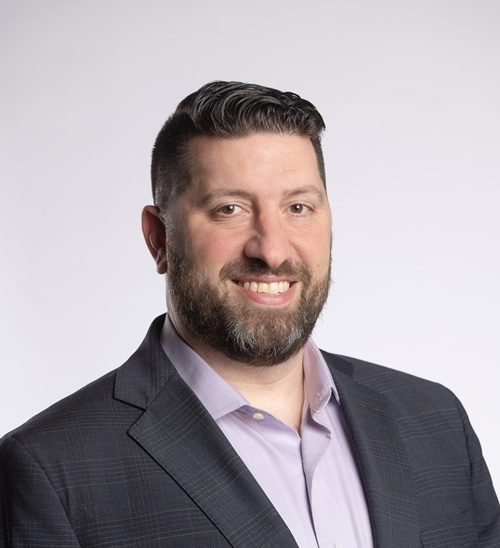
Nick Scuola
Principal Cloud Technical Specialist, Everpure

Jason Langer
Senior Technical Evangelist, Everpure
More organisations are migrating VMs and containerized apps into Azure and hitting a wall: native cloud storage wasn't built to provide the enterprise data services they rely on. Teams are lifting workloads into the cloud only to discover unpredictable costs, the inability to manage their storage from a unified platform, and data protection gaps.
Join us to learn how to easily scale demanding, storage-heavy workloads without sacrificing data requirements or budget. With the right storage platform as your foundation, your hybrid cloud environment can deliver flexibility, cost savings, and operational simplicity.
Key takeaways:
- Versatile workload support: Seamlessly run and manage mixed enterprise workloads on Everpure Cloud without compromising performance or flexibility.
- Streamlined Azure integration: Rapidly provision and scale Everpure Cloud using familiar, standard Azure-native tools and workflows.
- Unified management and security: Simplify data management across cloud and on-premises environments with consistent controls, governance, and built-in data protection.
- Optimised storage TCO: Significantly reduce overall enterprise storage costs through efficient resource utilization.
We Also Recommend...
Personalize for Me
My Updates
No updates at this time.